The services
we provide
Research, Development and Humanitarian services
CNRS brings extensive experience in holistic and integrated rural development, covering natural resource management, environmental education, livelihood enhancement, capacity building, social mobilization, and community empowerment. Our work also spans health, nutrition, sanitation, education, training, disaster management, emergency relief, rehabilitation, flood-proofing, and the development of gender-disadvantaged, vulnerable, and differently-abled groups.
Across all its projects, CNRS has developed specialized expertise in the following key areas:

1. Livelihood Analysis and Development
Empowering Sustainable Livelihoods:
CNRS supports poor and marginalized communities in building resilient livelihoods. Using the DFID Sustainable Livelihoods Framework, we analyze local resources, economic strategies, and unmet opportunities to design interventions that strengthen human capacity, improve access to resources, and promote long-term sustainability.
2. Community Based Management
Community-Led Solutions for Sustainable Livelihoods: CNRS empowers communities to take the lead in managing and improving their livelihoods. Through locally tailored, consensus-driven approaches, community groups and stakeholders co-design and implement interventions, ensuring ownership, effectiveness, and long-term sustainability.

3. Institutional Development
Building Strong Local Institutions: CNRS strengthens governance and community resilience through a three-tier institutional structure. From village-level groups and Community-Based Organizations to sub-district networks and apex committees, these institutions promote legal recognition, adaptive learning, policy advocacy, and sustainable development across project areas.
4. Public Private Partnership (PPP)
Driving Development Through Public-Private Partnerships: CNRS leverages Public-Private Partnerships (PPP) to bring together government, communities, and private actors for sustainable development. By combining resources, expertise, and innovation, PPPs enable efficient service delivery, shared risk, and long-term value for communities. CNRS facilitates these partnerships across sectors—renewable energy, agriculture, tourism, and more—ensuring projects are innovative, cost-effective, and impactful.
5. PAPD (Participatory Action Plan Development)
Building Consensus for Community-Led Action: CNRS uses Participatory Action Plan Development (PAPD) to bring communities and stakeholders together to co-create resource management and development plans. This proven participatory approach ensures shared decision-making, clear action steps, and equitable benefit distribution, fostering ownership, accountability, and sustainable outcomes.
6.Survey, Research, M&E, and Spatial Data Development
Data-Driven Decisions for Sustainable Development: Since 1998, CNRS has been leveraging GIS, research, and monitoring tools to support evidence-based decision-making in natural resource and environmental management. From mapping biodiversity and land use to conducting socio-economic surveys, impact assessments, and participatory GIS, CNRS provides accurate spatial data, research insights, and analysis to guide sustainable development interventions.
7. Participatory Monitoring (Report Card)
Community-Led Monitoring for Better Outcomes: CNRS empowers communities to track progress through participatory tools like Report Cards and Diaries. These tools enable self-assessment, accountability, and real-time monitoring, helping communities and project teams make informed decisions.
8. Community Mobilization
Engaging Communities for Sustainable Change: CNRS mobilizes communities by understanding their local context, resource systems, and social dynamics. Through awareness-building, stakeholder engagement, and participatory planning, communities are prepared to take active roles in managing resources and improving livelihoods.
9. Capacity Building and Training
Strengthening Skills, Empowering Communities: CNRS invests in training and capacity development to ensure communities have the knowledge, skills, and confidence to sustain their development initiatives. Strong, empowered communities are the foundation of long-term change.
10. Private-Public Linkage Development
Connecting Communities with Opportunities: CNRS builds linkages between local communities, government, and private partners, ensuring ongoing support, resources, and sustainable development beyond project timelines. These partnerships strengthen local governance and economic resilience.
11. Governance
Promoting Inclusive and Transparent Local Governance: CNRS facilitates community-led committees and networks to enhance local governance, democratic participation, gender equality, and institutional linkages, ensuring that community voices are represented in decision-making.
12. Rights-Based Activities
Ensuring Access and Equity: CNRS helps poor and marginalized groups claim their rights over natural resources, such as khas lands and fisheries, through organized advocacy, capacity building, and systematic engagement with local authorities.
13. Linkage with Civil Society
Collaborating for Greater Impact: CNRS strengthens partnerships with civil society, media, local professionals, and government actors to enhance transparency, advocacy, and coordinated support for vulnerable communities, including platforms like the Haor Advocacy Platform.
14. Community Risk Reduction (CRA)
Identifying and Reducing Local Risks:
Through Community Risk Assessments and Action Plans, CNRS works with communities to identify vulnerabilities and implement interventions that reduce risk and increase resilience in flood-prone Haor areas.
15. Disaster Risk Reduction (DRR)
Building Preparedness and Resilience:
CNRS maintains a knowledge bank of disaster preparedness practices, documenting experiences from local to international actors to strengthen community and institutional readiness.
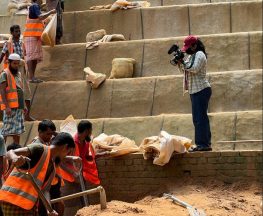
Telling Stories that Inspire Change:
CNRS’s Communication Unit produces high-quality visual content, from photography to 4K drone videos and documentaries, capturing project impacts and promoting awareness through professional storytelling.


