Striving for building social-ecological resilience in Bangladesh.
For 32 years, we have been working to find solutions to most pressing environmental, climate, humanitarian, livelihood and development challenges.
Center for Natural Resource Studies (CNRS) is one of Bangladesh’s leading environmental and development organizations, formally established in 1994. Since its inception, CNRS has been implementing innovative and participatory initiatives in natural resource management, biodiversity conservation, environmental protection, climate change adaptation, disaster risk reduction, and sustainable livelihood development, making significant contributions at both national and international levels.
Originally conceptualized in 1993, from the Bangladesh Flood Action Plan (FAP16) Environmental Study; and the formal journey started in 1994. Since formation, CNRS has drawn attention of relevant local, national and international actors including government and funding agencies through demonstrating innovations in our nature and community centric approaches and producing tangible learning outcomes.
In doing so, CNRS brings governments, NGOs, INGOs, the UN and international organizations together to develop policies and share best practices. As of 2026, CNRS in partnership with key partners have implemented over 350+ projects, with a workforce of over 1,000 passionate and committed development and humanitarian practitioners (45% are female), in various projects across the country in 60 field offices covering 28 districts and supporting over 300,000 underprivileged HHs.
Our Vision is to see people and nature live in harmony, in a world free from exploitation and exclusion.
Our Mission is to empower marginalized communities with the required skills and capabilities for making a change that favors pro-poor, inclusive, and development.
Our Goal is to join others in influencing the national development strategy towards directions that support sustainable development.
Words from our Climate expert and Executive Director
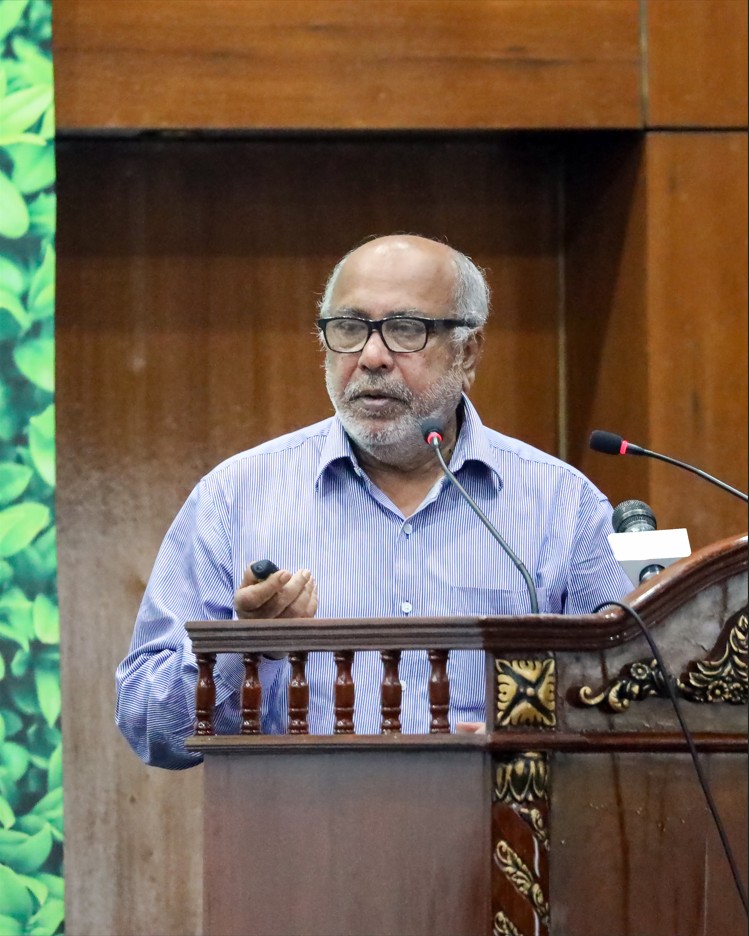
Dr. M Mokhlesur Rahman
"I am wholeheartedly grateful to all the change-makers of CNRS working at different levels"
I am deeply proud of the changemakers at CNRS whose dedication and innovation continue to drive our mission forward. With the steadfast support of our development partners, CNRS has expanded its impact in 2025, implementing 38 projects that reached 197,876 people, including 108,522 women and 89,354 men.
Our efforts spanned seven key themes: Environment and Climate Change; Food Security and Livelihood; Health and Nutrition; Disaster Management and Resilience; Community Development and Governance; Institutional Development; and Gender Equality, Social Inclusion (GESI), Child Welfare, and Youth Stewardship. Across these areas, CNRS championed pioneering, inclusive, and ecological solutions that strengthen climate action, empower communities, and restore balance between people and nature.
CNRS continued to play a leading role in research and response, generating evidence and innovation to guide sustainable solutions for the future, making significant strides in improving access to safe freshwater and implementing innovative project activities in the saline-prone coastal regions of southwestern Bangladesh which enhances resilience, restoring ecosystems, and transforming lives. These accomplishments reflect the collective strength of our teams, partners, and communities. Together, we are shaping a greener, fairer, and more resilient Bangladesh, driven by innovation, inclusion, and integrity.
The genuine leadership of the Executive Committee and General Body, the steadfast assistance of Development partners, and the true support of the project participants are all responsible for CNRS’s remarkable achievement. I want to thank everyone from the bottom of my heart for their contributions.
Dr. M Mokhlesur Rahman
Executive Director, CNRS
Where we work
Forest Ecosystems
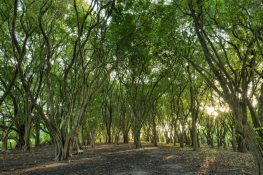
- Hill and plain land forests under Sylhet division; Ratargul Swamp forest; Protected Areas (PAs) of Bangladesh
- Lawachara National Park, Moulavibazar
- Satchari National Park, Habigonj
- Khadim Nagar National Park, Sylhet
- Rema-Kalenga Wildlife Sanctuary, Habigonj
- Sundarbans Reserve Forest
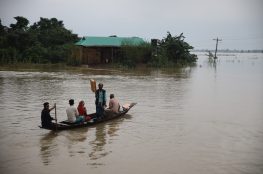
Riverine area
- Meghna River basin
- Brahmaputra River basin
- Padma River basins
Specializing in Bhola, Chadpur, and Kurigram districts; Tetulia river basin, Patuakhali District
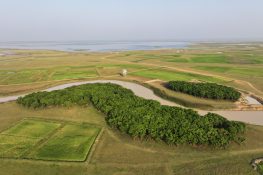
ECA areas
- Tanguar Haor
- Hakaluki Haor
- Sundarbans Reserve Forest
- Cox’s Bazar-Teknaf Peninsula
- St. Martin’s Island
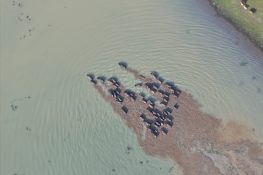
Haor and Wetland
- Tanguar Haor, Sunamganj
- Hakaluki Haor, Moulvibazar
- Hail Haor, Moulvibazar
- Baikka Beel wetland sanctuary
- Others Haor areas under Sunamganj, Habiganj, Kishoregonj districts
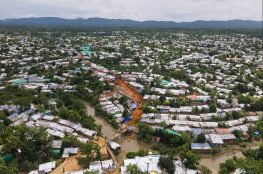
Coastal belt and
Saint Martin’s Island
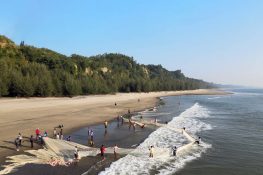
- Southwestern to Southeastern coastal divisions of Khulna, Barishal and Chattogram divisions including St. Martin Island

Staff

Offices across Bangladesh

Projects implemented till date

Present working districts of Bangladesh
Legal entity
CNRS is registered with NGO Affairs Bureau, Joint Stock/Societies Act, Social Welfare as well as Micro-Credit Regulatory Authority.
CNRS Governance systems
The organizational aspects of CNRS is managed and governed as per the rules set forth in the constitution and is administered by two sets of bodies, viz. The General Board (GB) comprising of 21 (twenty-one) members and an Executive Committee (EC) of 7 (seven) members. The day-to-day management and operation of organizational activities are accomplished by the Executive Director (ED) along with directors, advisers and staff members. There are various operational manuals, policies and tools which form the basis and guiding principles for the governing of the organizational matters including implementing various donor supported projects and activities. Besides, there are some operational procedures/ tools that have been adopted to further smoothen the operational aspects. These include:
Senior Management Team (SMT)
A seven-member senior management team (SMT) is formed headed by the Executive Director (ED) to facilitate day-to-day functions of CNRS.
Audit committee
In order to strengthen internal control mechanism, CNRS has adopted an “Audit Committee (AC)” constituted with 3 staff members to monitor and take necessary actions to comply with the standard procedures and policies of CNRS.
Compliance Committee (CC)
A 5-member compliance committee (CC) is formed to oversee the day to day compliance issues and risks associated with non-compliance of standard procedures and recommend corrective actions.
Gender forum
A five-member gender forum (GF) aimed at making CNRS a gender sensitive organization by facilitating space for women staff members to express their views, establishing gender equality, women’s rights and gender friendly environment.
Independent Reviewers of procurement
CNRS assigns a mid-level staff member to undertake the responsibility as Independent Reviewer (IR) of procurement of goods and services on a random basis to ensure compliance of standard procedures.
Major clients, National and International Associates/ Partners
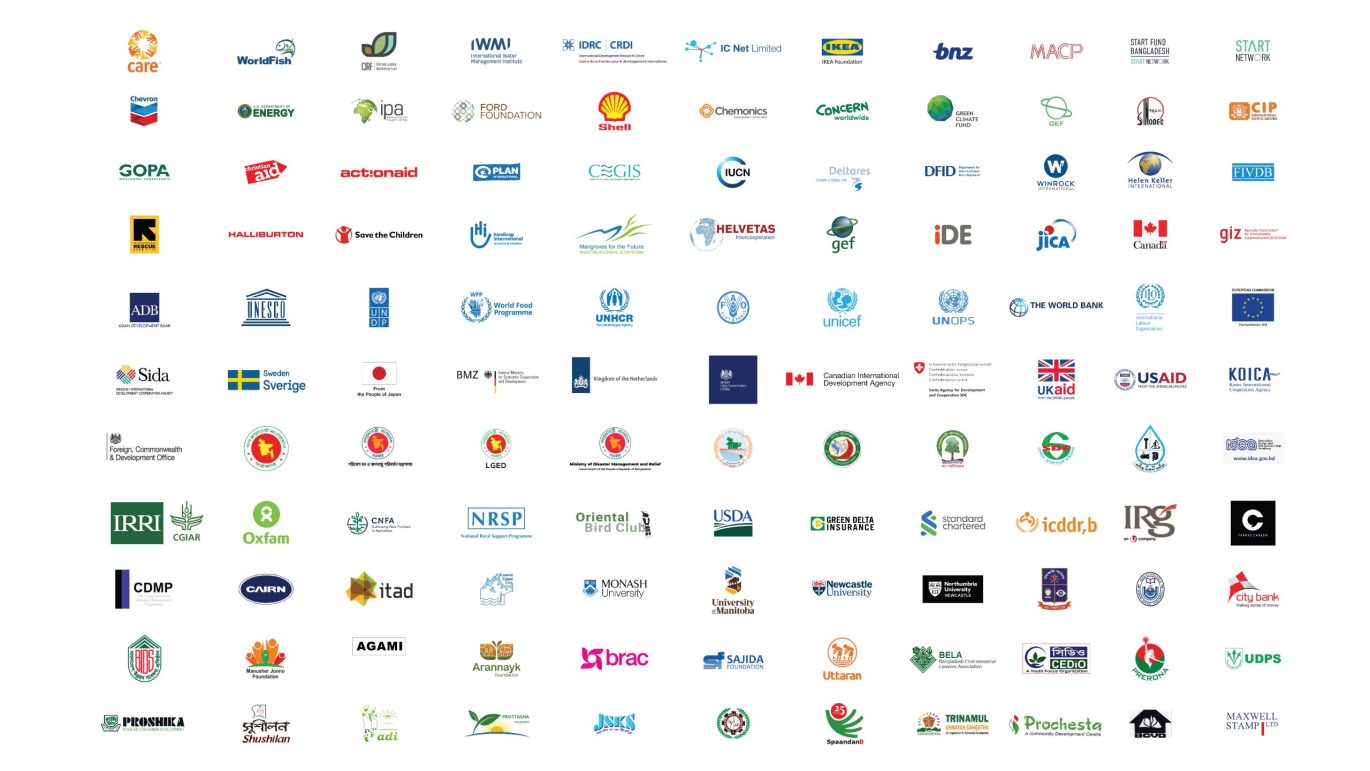
Government of Bangladesh, DOE, Embassy of Kingdom of Netherlands, USAID, UK Aid, GIZ, Oxfam, UNDP, World Bank, IUCN, UNICEF, UNOPS, WFP, UNESCO, FAO, GEF/UNDP, DFID-UK and Bangladesh, IDRC, EC, EU, USAID, SDC, Chevron, Ford Foundation, CIDA, JICA and other international and national agencies.
Organizational Membership
CNRS has partnership and membership with some Forums and Associations. Among them the followings are worth mentioning:
- CSO-SUN- a network of civil society organizations for scaling up nutrition
- IUCN Bangladesh National Committee
- PRA Promoters' Society-Bangladesh (PPS-BD)
- Coastal Fisher-folk Community Network (COFCON)
- Credit Development Forum (CDF)
- Asian DRR network
- Bangladesh Network for Environmental Governance (BNEG)
- CNRS runs a CBO network (community institutions)
- Secretariat of HAP (Haor Advocacy Platform)- a civil society network)
- Observer, UNFCCC
- Member, ECA Management Committee, MoEF
- Member, CEGIS Trustee Board
- Secretariat, HAP (Haor Advocacy Platform
- Member, IPBES (Intergovernmental Panel for Biodiversity and Ecosystem Services)
- Member, NAHAB (National Alliance for Humanitarian Assistance of Bangladesh)
- Secretariat, FOBB (Friends of Baikka Beel)
- Start Network Global
Since 1993, we implemented over 350+ projects
with key development partners