Our Footprint in
South West Bangladesh
Research, Development and Humanitarian impact
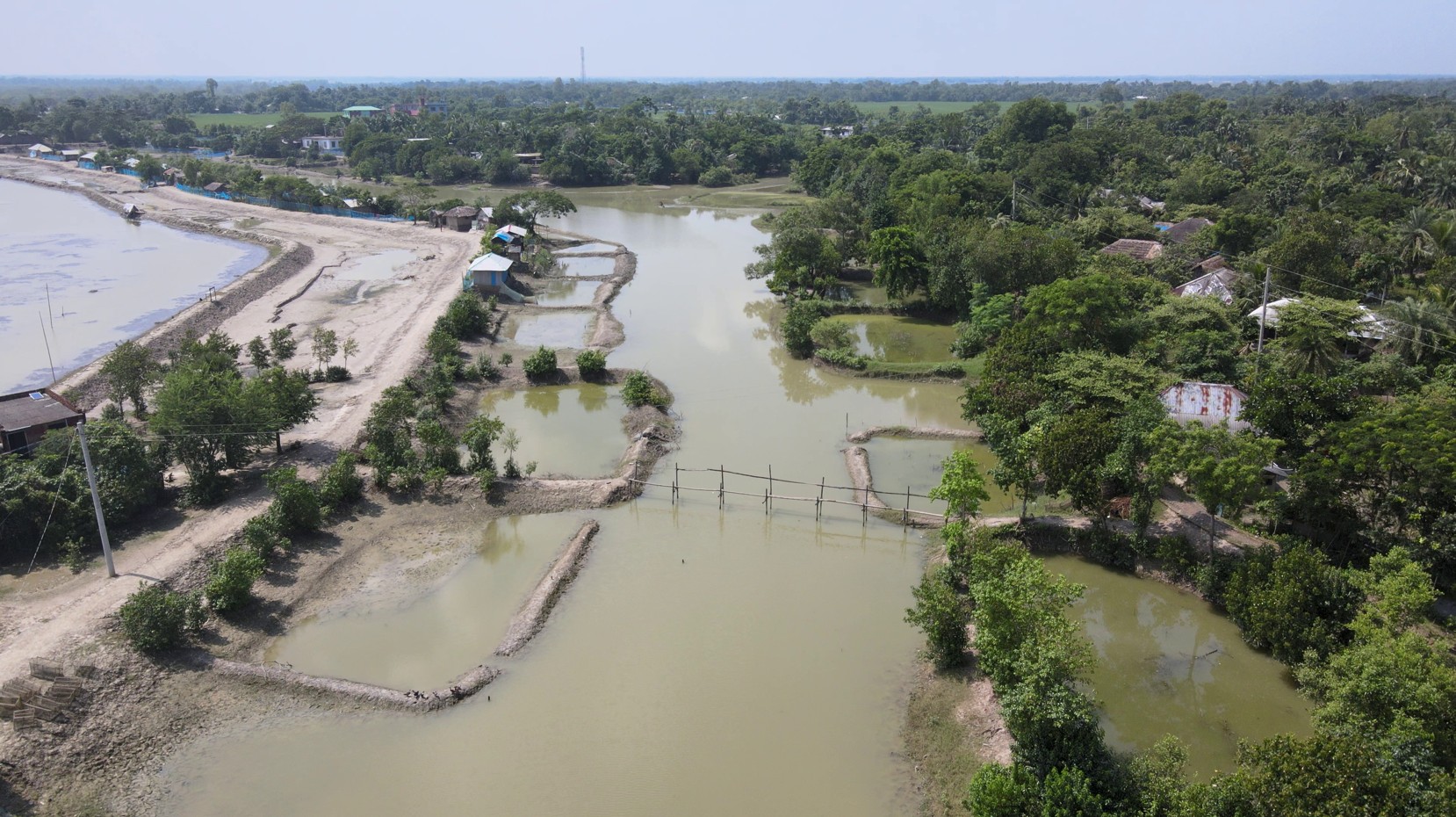
Photo: Illegal Canal converted to ponds, Shyamnagar | CNRS, 202
The southwestern coastal communities of Satkhira and Khulna districts of the degraded lower Ganges delta of Bangladesh, are in the outskirt of the Sundarbans ECA (Ecologically Critical Area) where a combination of climatic and human induced factors such as rising sea level, erratic rainfall, increased water and soil salinity, rapidly declining freshwater sources, prolonged drought, unplanned Shrimp and Crab farming, illegal leasing and canal conversion have worsened fresh water shortages and rendered traditional agriculture increasingly untenable, adversely affecting livelihoods of climate vulnerable coastal communities.
The communities’ vulnerabilities intensify especially during dry seasons, due to rapid degradation and conversion of the available freshwater canal networks, resulting from human induced actions such as elite capture, resource grabbing, leasing and illegal conversion of these canal systems into ponds and channels used for unplanned and unsustainable Shrimp and Crab farming. These human induced stressors have significantly interfered with and degraded the storage capacity of freshwater (rainwater), a precious resource which boosts agrifood systems, livestock production and capture fisheries, further increasing vulnerabilities of coastal communities. These factors combined with climate induced calamities such as rising sea levels, increasing frequent cyclones and other natural calamities, coastal inundation, soil-water salinity, resource depletion and degradation resulted in increasing social-ecological vulnerabilities, leading to poverty, exclusion, food insecurity and migration.
Unsustainable land use, underpinned by the recent phenomenon of Climate Change, has induced numerous hazards and uncertainties. In dry seasons, most cropland remains dry and fallow due to extreme heat, unavailable freshwater sources due to converted canal systems, and high soil and water salinity. Making significant proportion of arable land into a single cropland, traditionally Monsoon Rice (Amon), this lack of diversity leads to unprecedented food insecurities and seasonal migration.
1. We integrate scientific and indigenous knowledge to co-create new knowledge and actionable interventions to address the ongoing climate and human induced crisis.
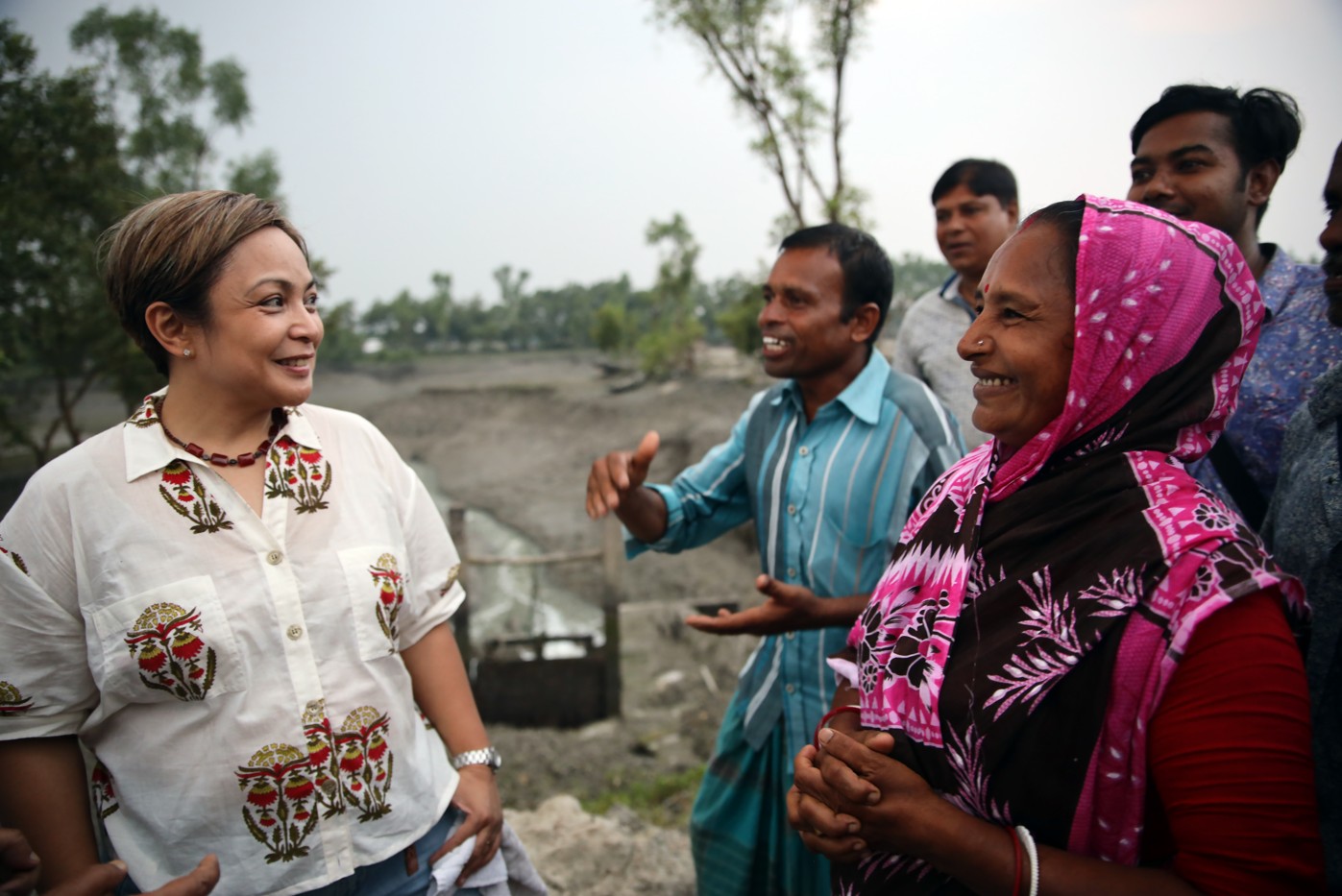
Photo: Nayoka Martinez-Bäckström, First Secretary (Environment and Climate Change) & Deputy Head of Cooperation, Embassy of Sweden in Bangladesh at CNRS's field visit | CNRS,2022
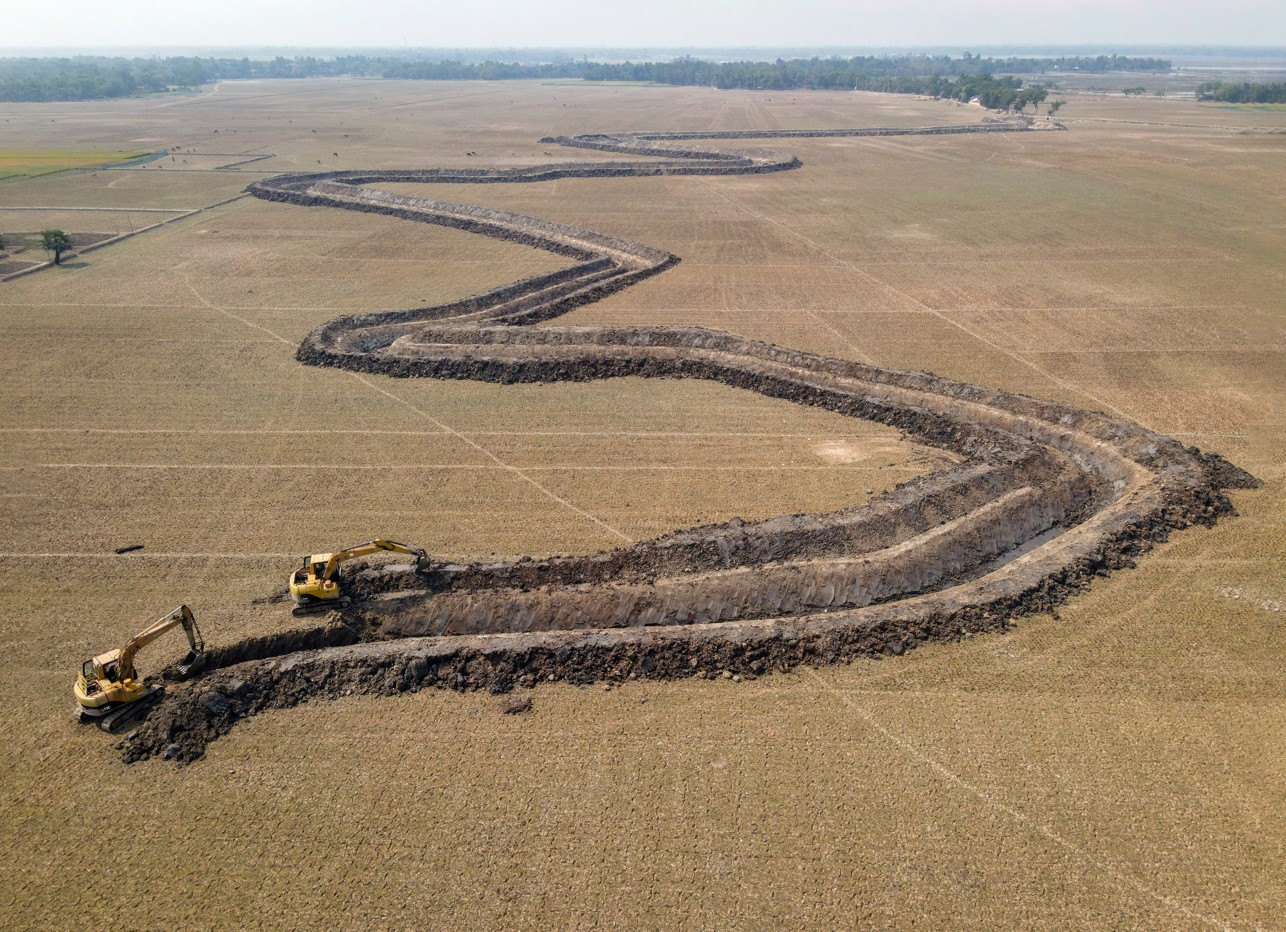
Photo: During re-excavation of Manikkhali Canal, Munshiganj union, Shyamnagar | CNRS,2024
2. We are ensuring water security for agricultural use, so that severely climate vulnerable communities can grow food.
3. We are ensuring water rights, so that communities, especially women can access freshwater, which were previously elite captured.
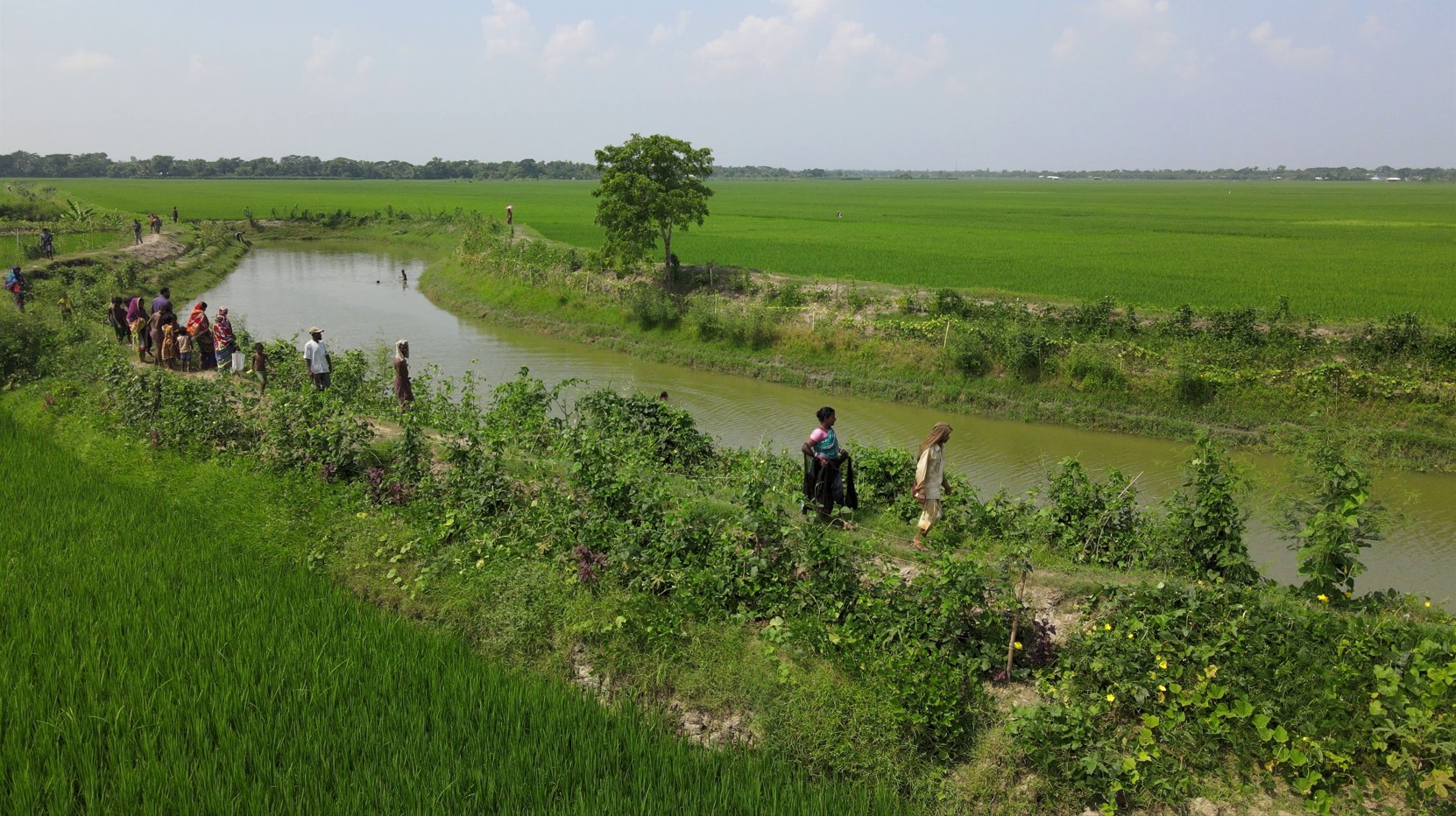
Photo: Re-excavated and made lease free from Elite capture, returning communal resources back to the community, Shyamnagar | CNRS,2024
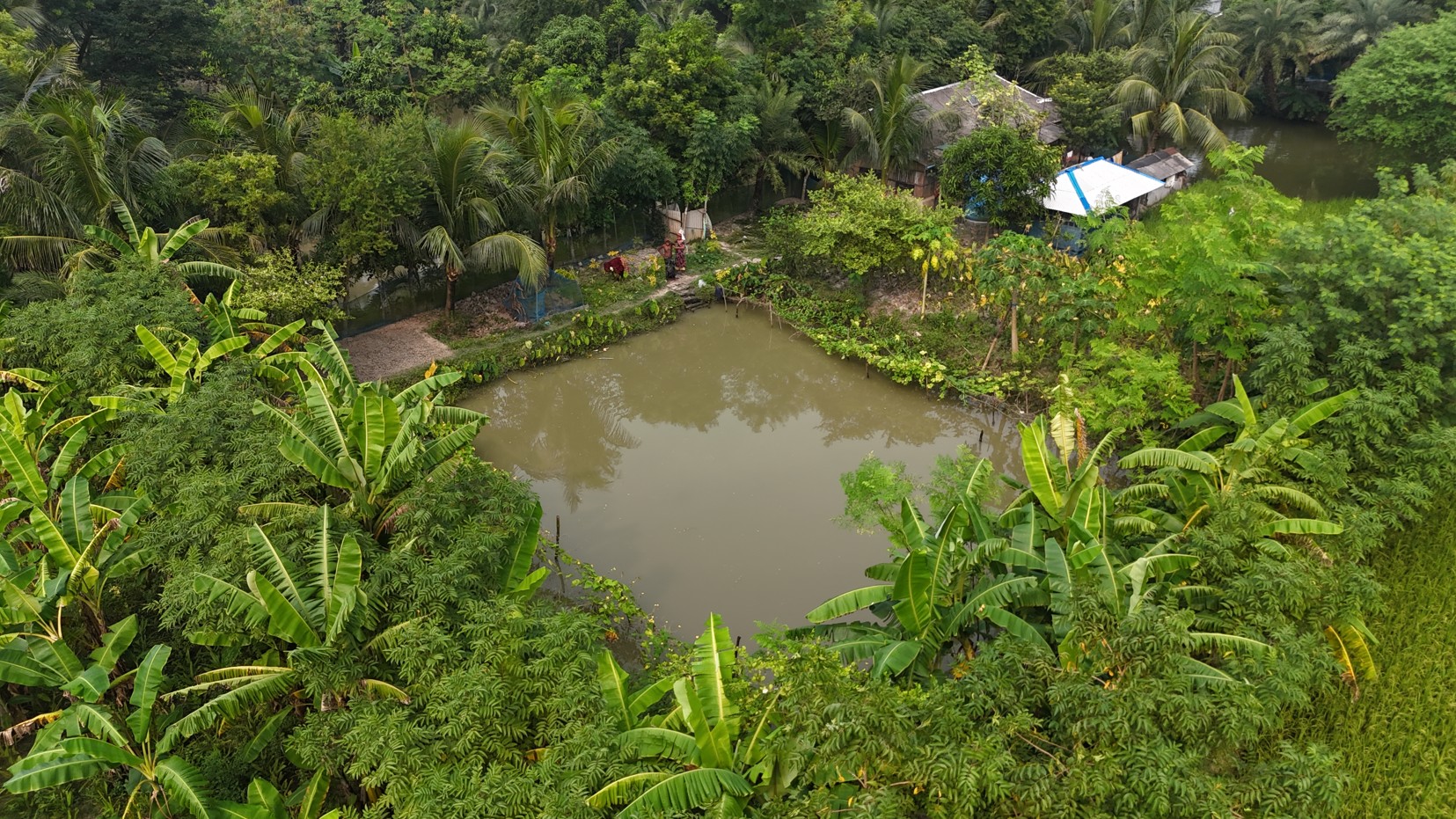
Photo: Re-excavated and made lease free from Elite capture, returning communal resources back to the community, Shyamnagar | CNRS,2024
4. Our household and communal ponds, reach freshwater to homes. Allowing women and girls to safely access freshwater, reducing risks of gender based violence.
- Ensures micro-level access to freshwater for households and productive use.
- Strengthens women’s participation in household food production, leading to improved household income, food security, and dietary diversity.
- Creates opportunities for small-scale pond aquaculture, supporting livelihoods and nutrition.
- Ensures year-round freshwater availability, particularly during the dry season.
- Reduce seasonal inundation and waterlogging risks by safely capturing and storing excess rainwater.
4. We are demonstrating Climate-Resilient Farming Practice, so farmers can adapt to increasing climate vulnerabilities and environmental stress.
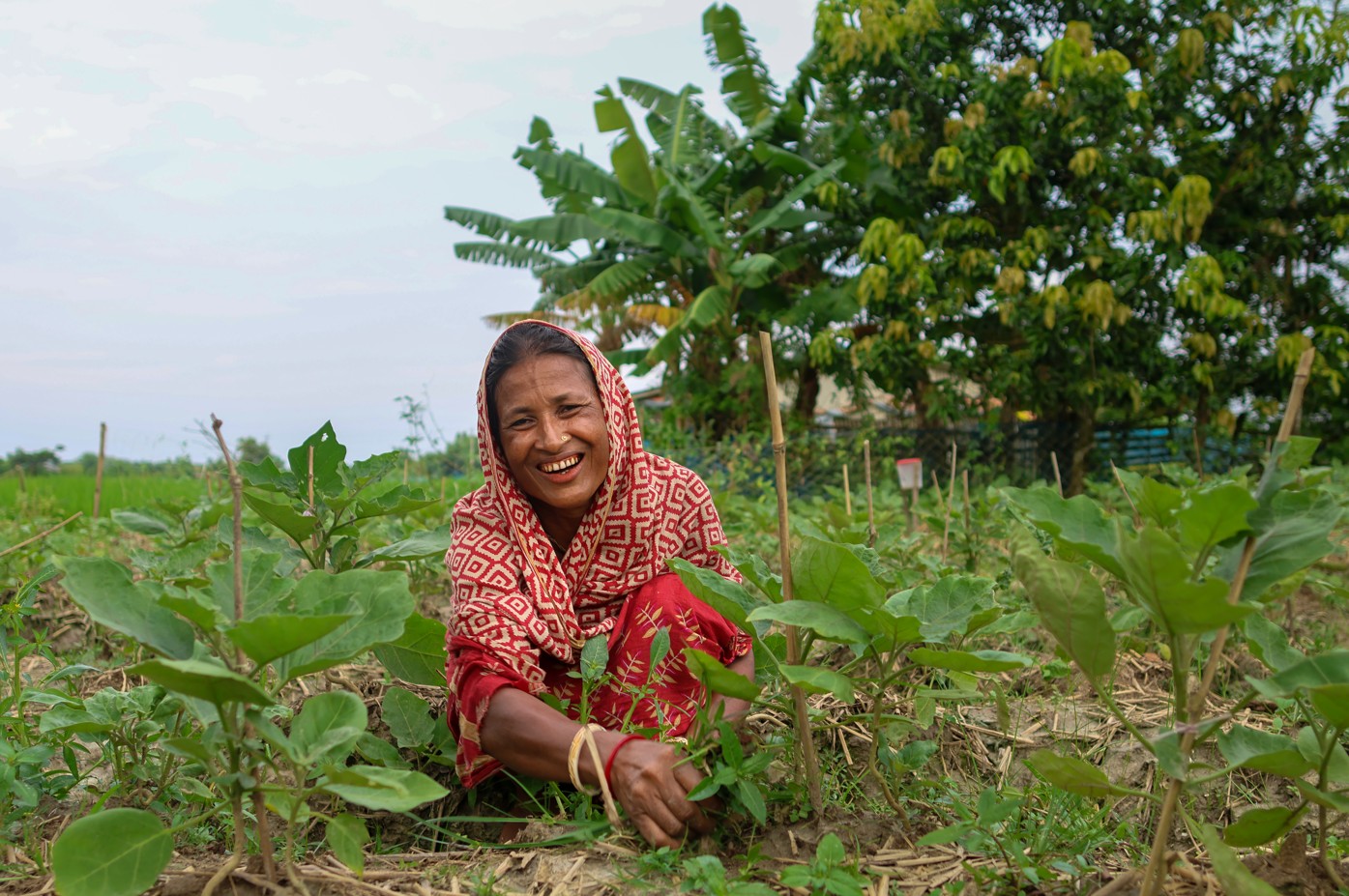
Photo: CNRS,2024
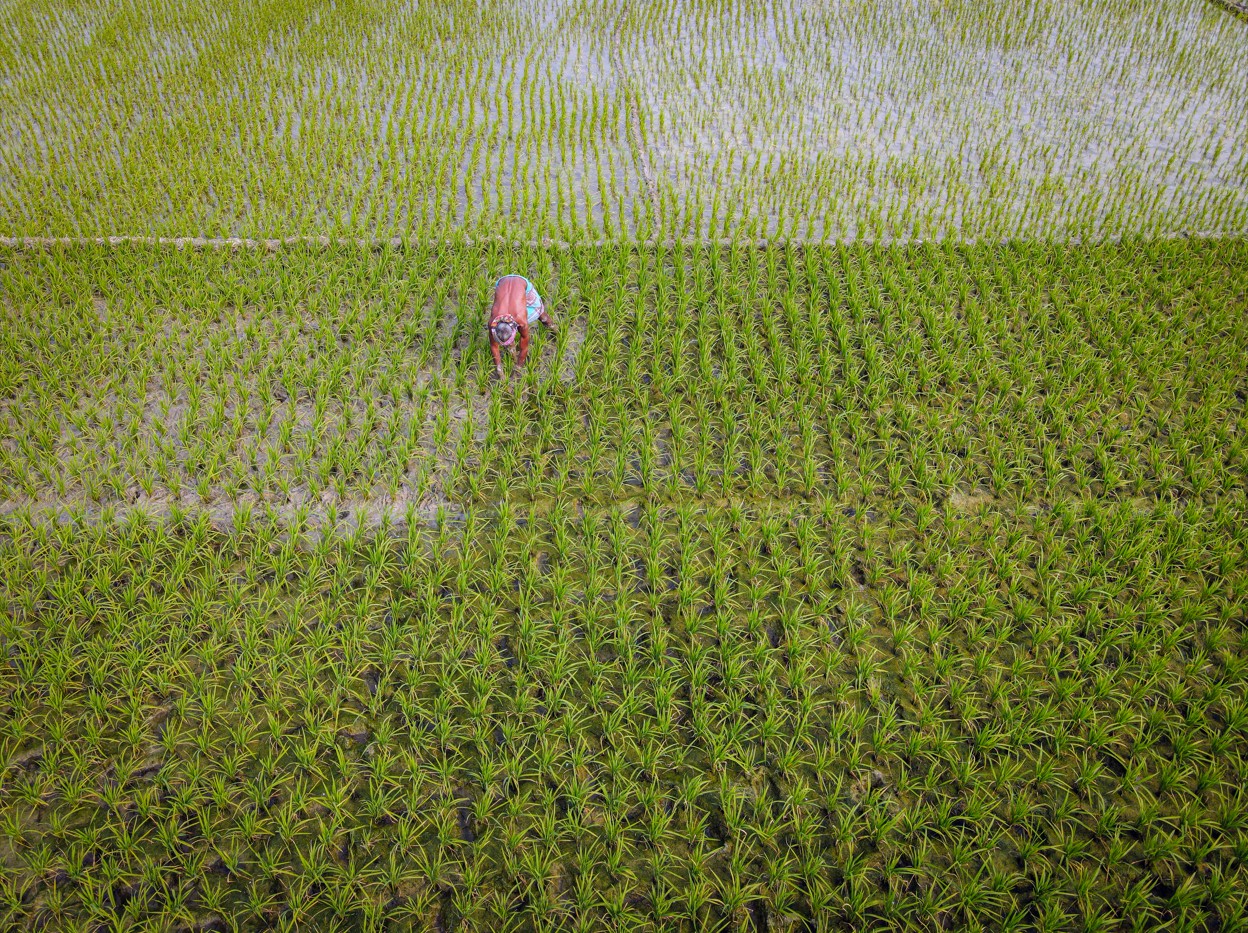
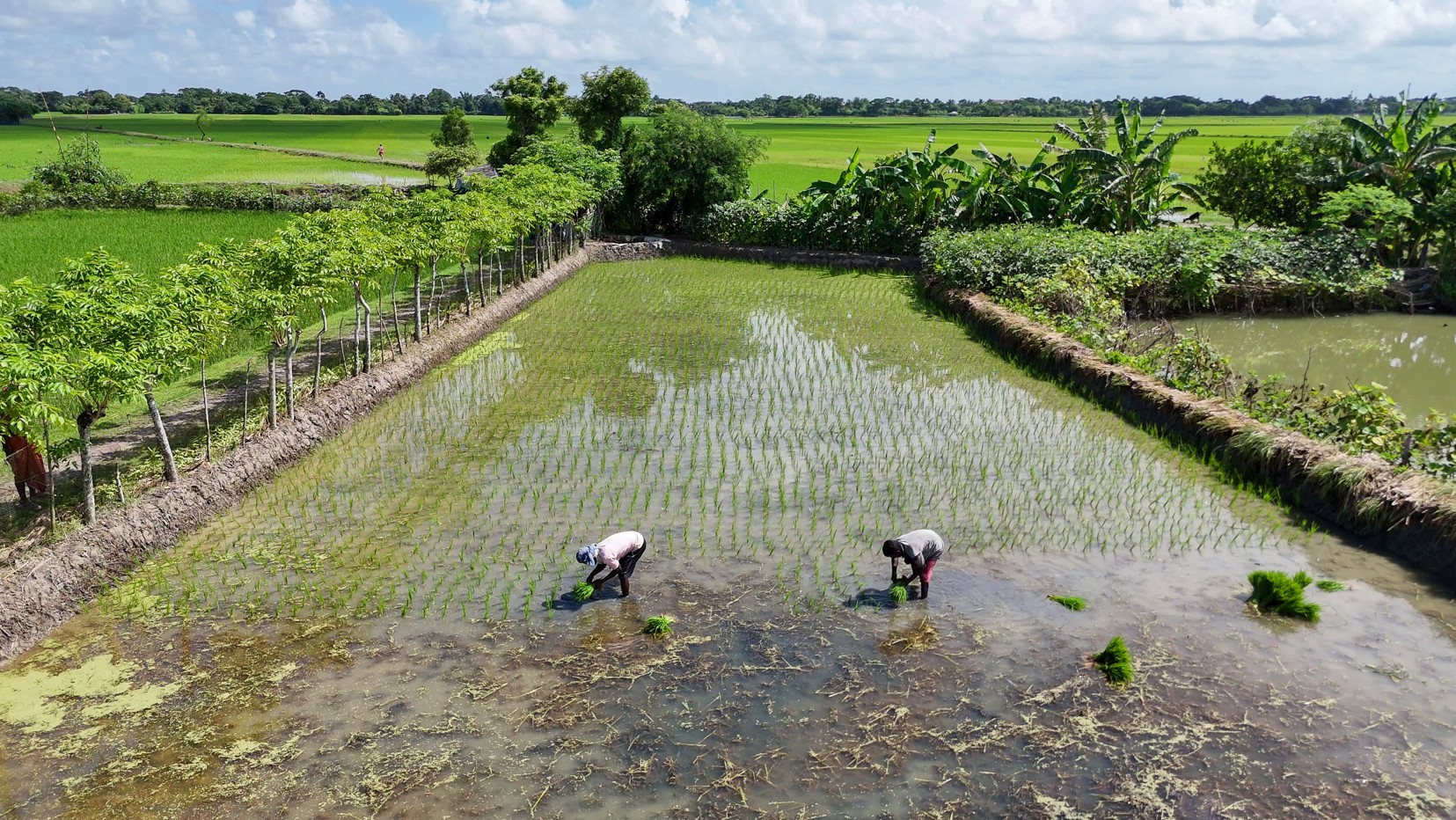
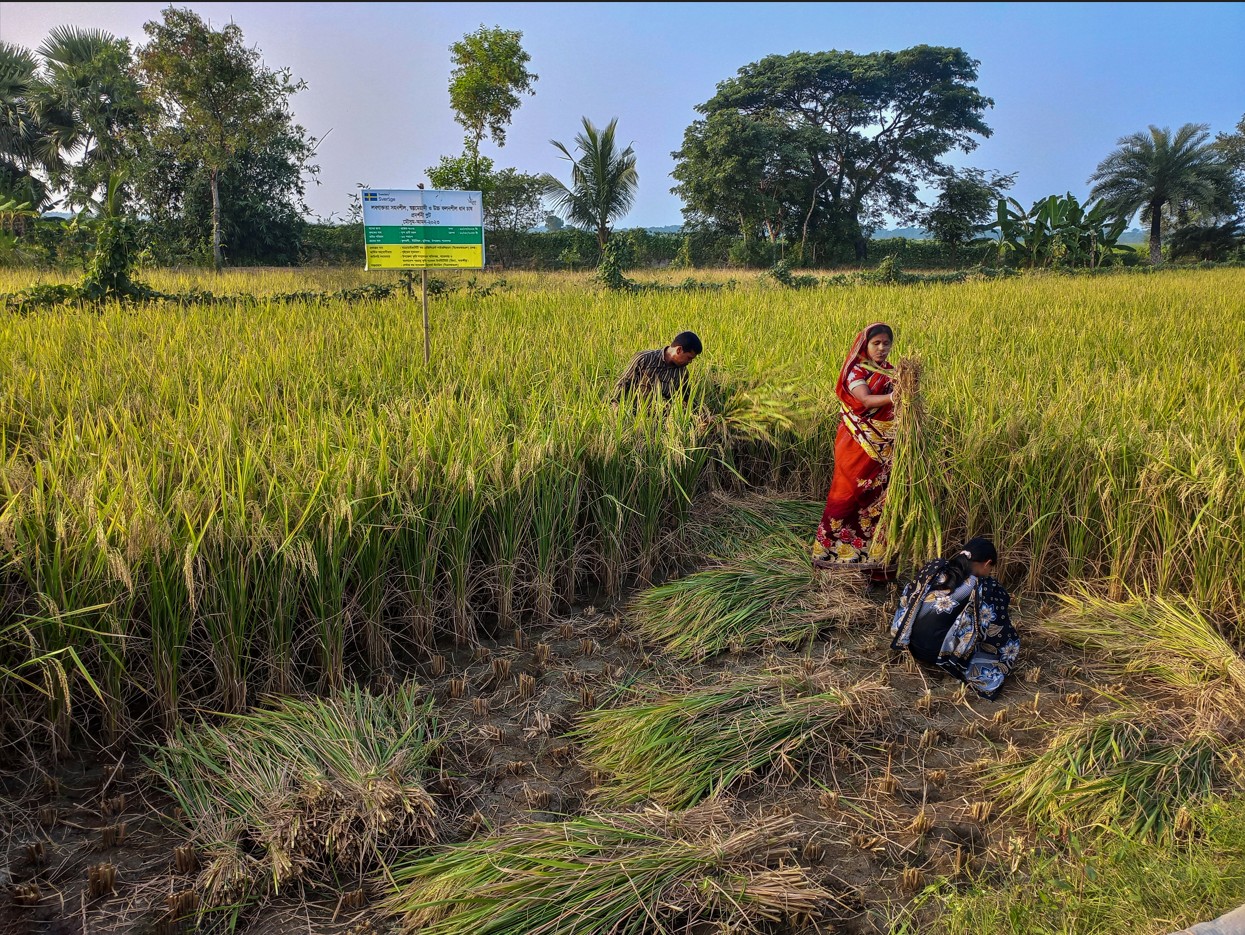
5. Introduced Climate-Resilient Rice Varieties, reducing farmers’ food insecurity in climate-exposed coastal areas of southern Bangladesh.
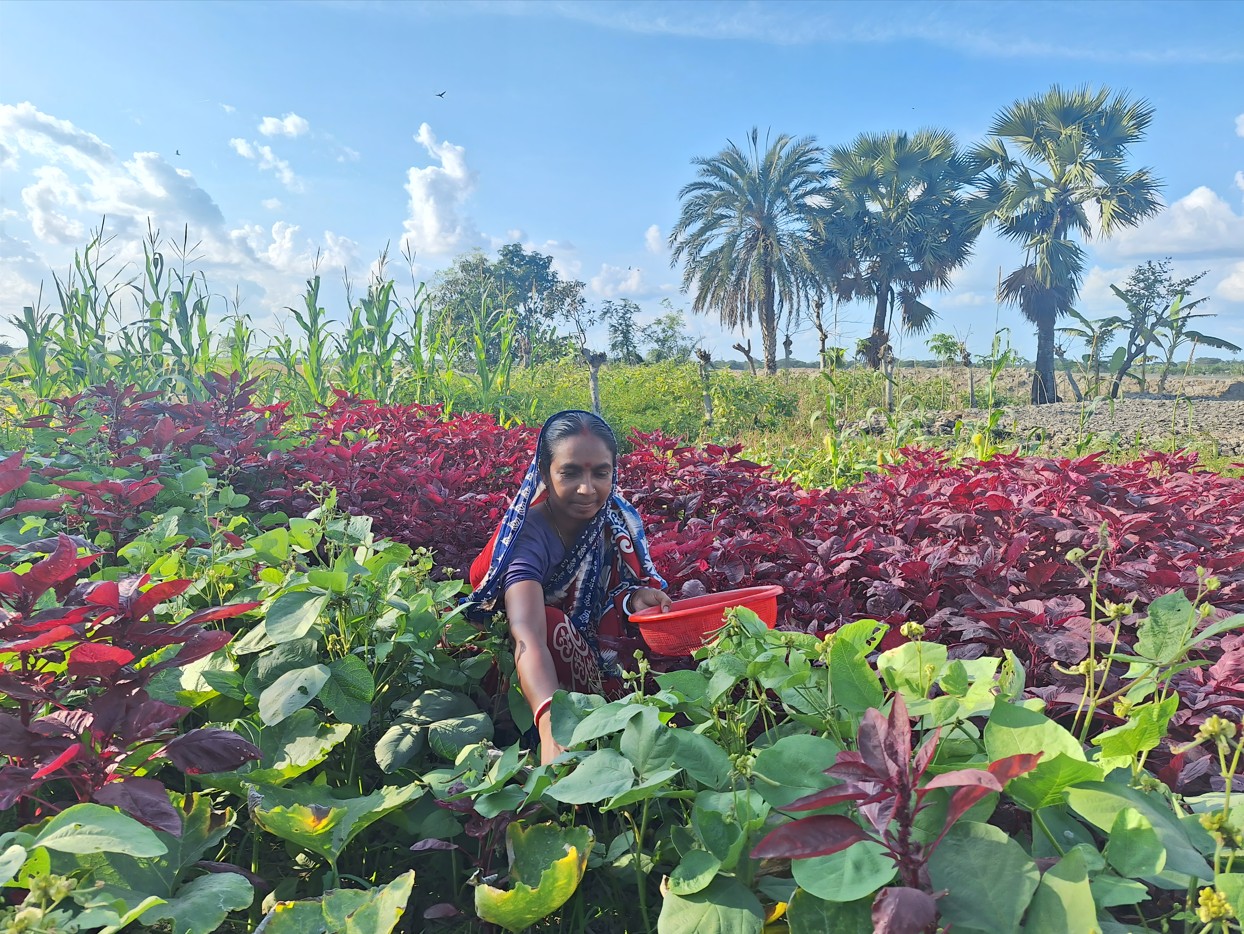
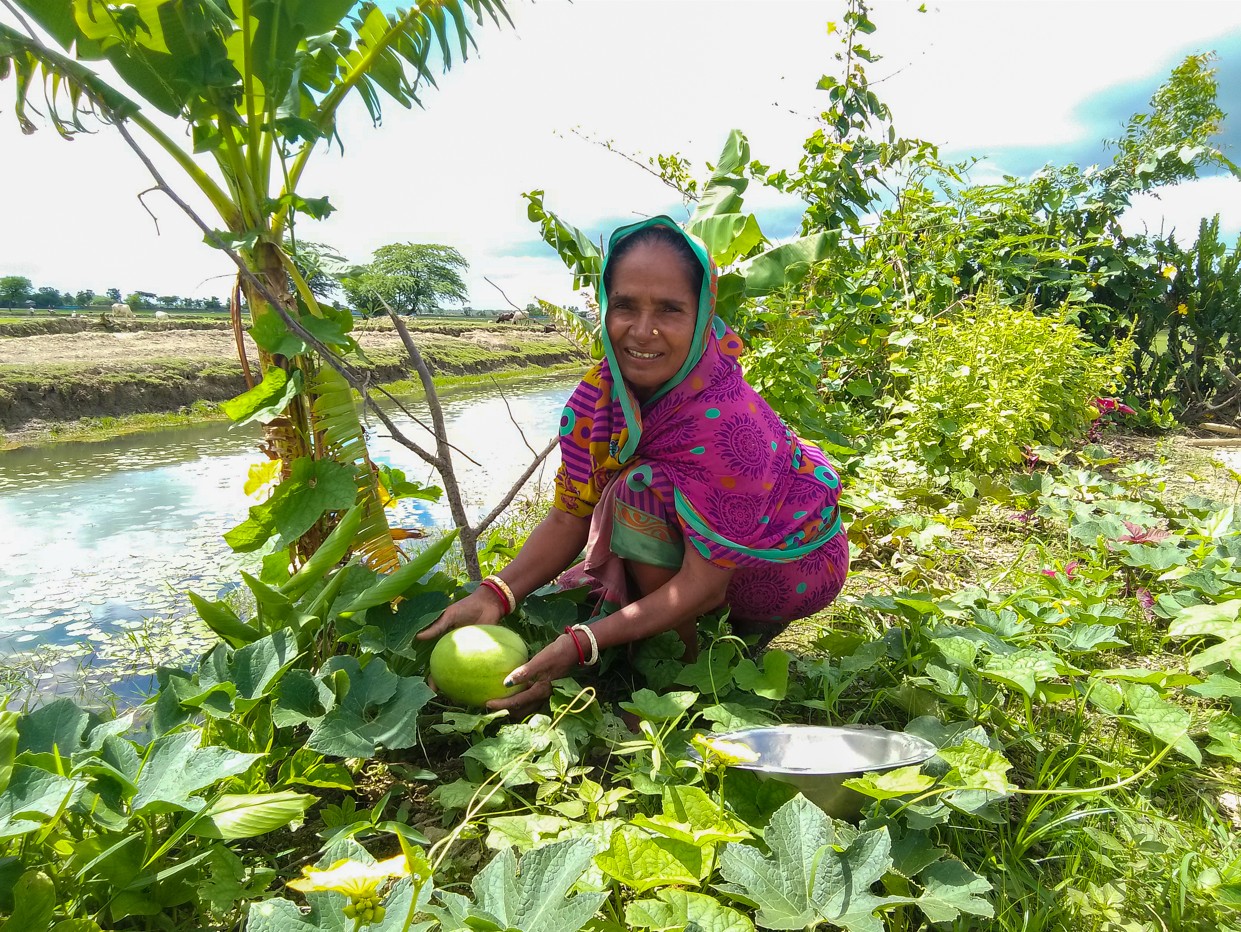
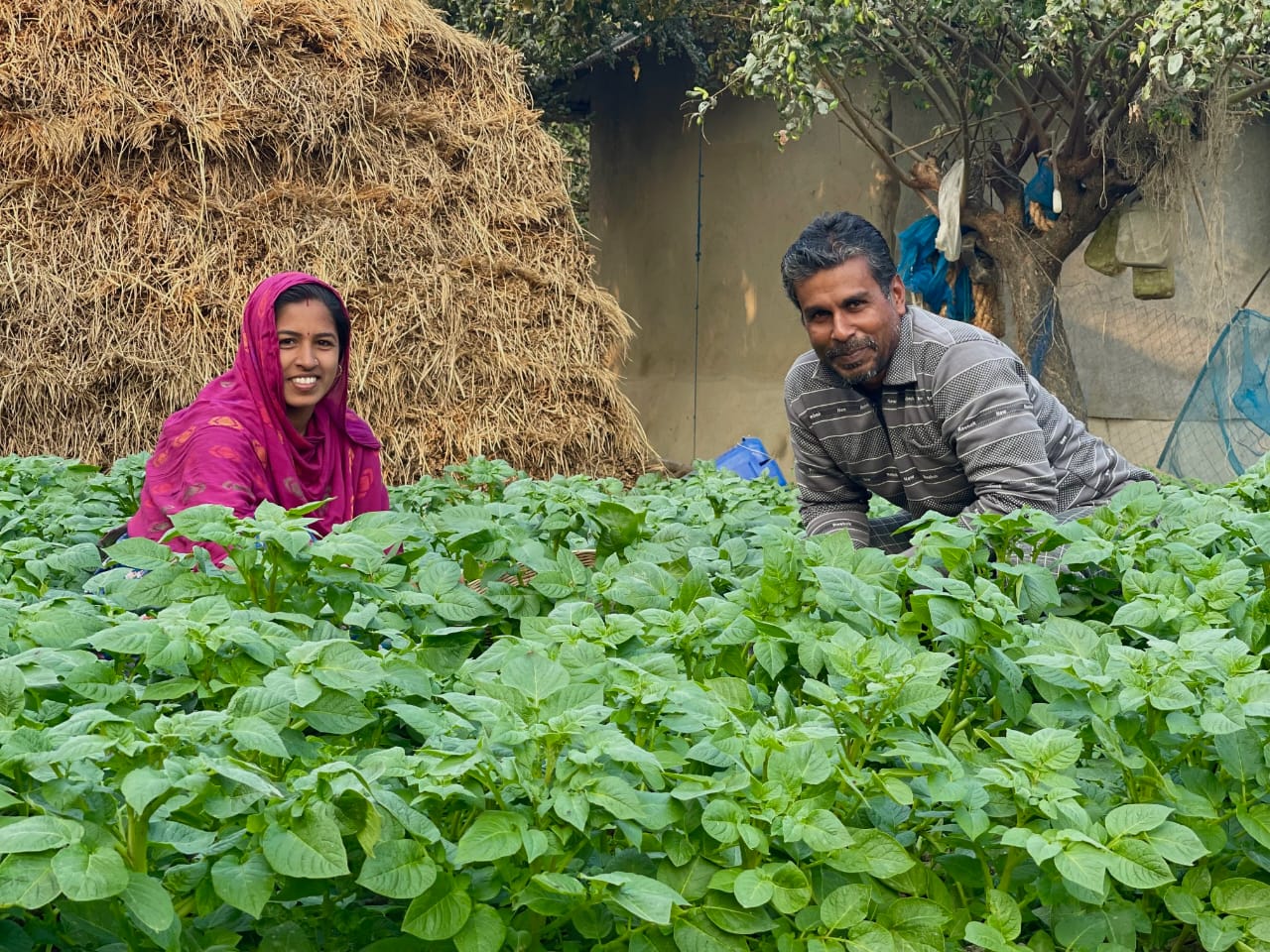
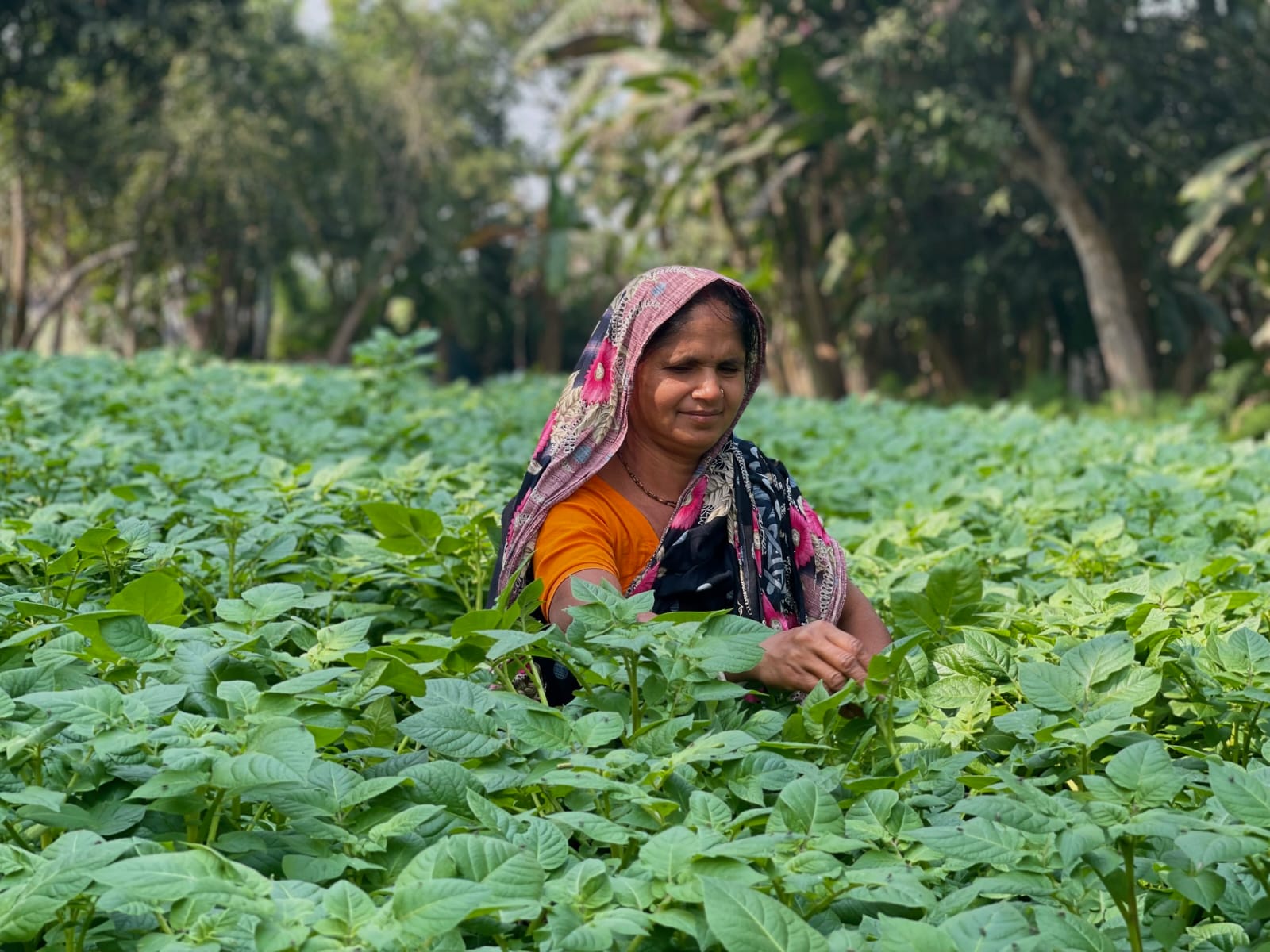
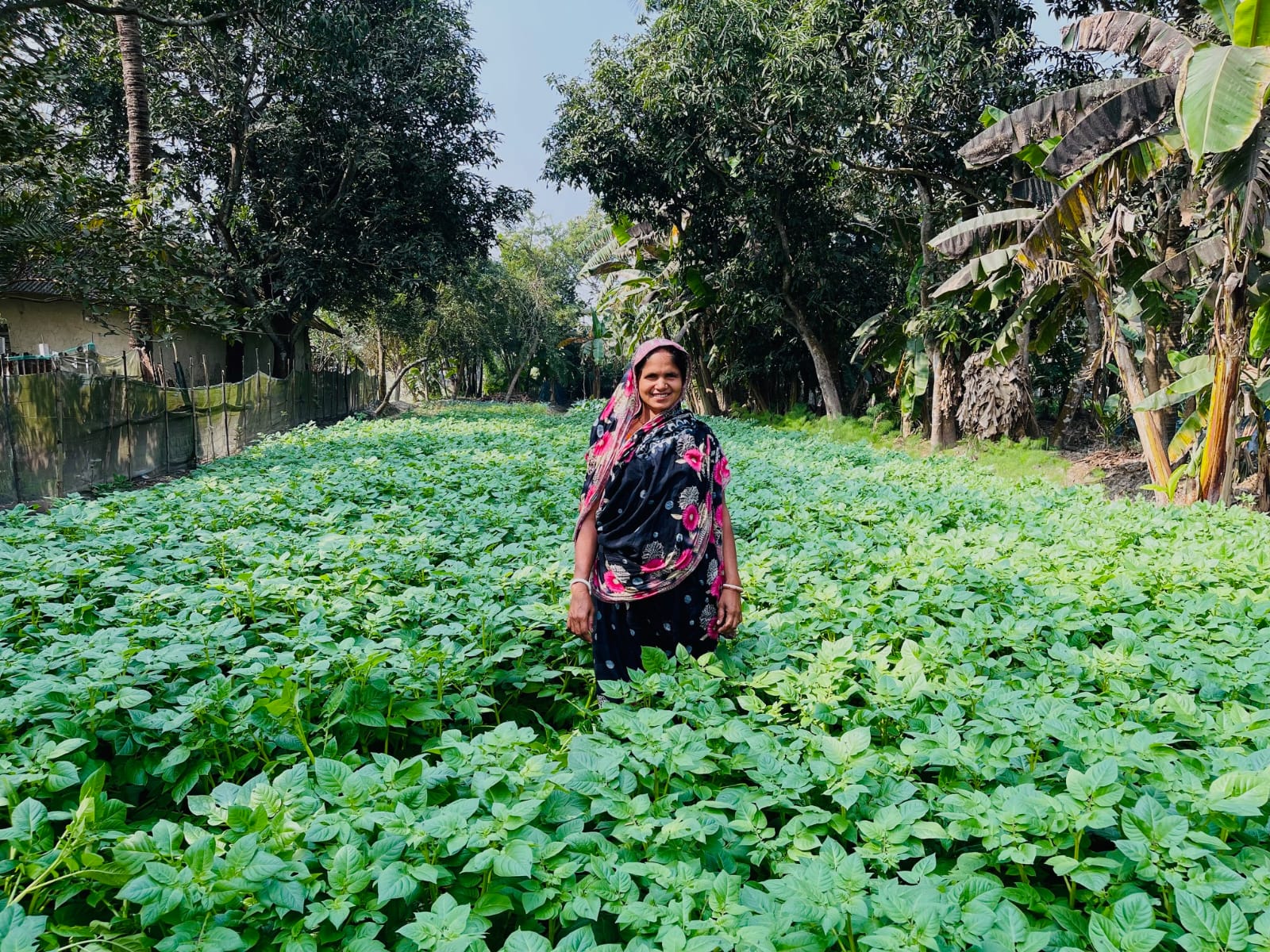
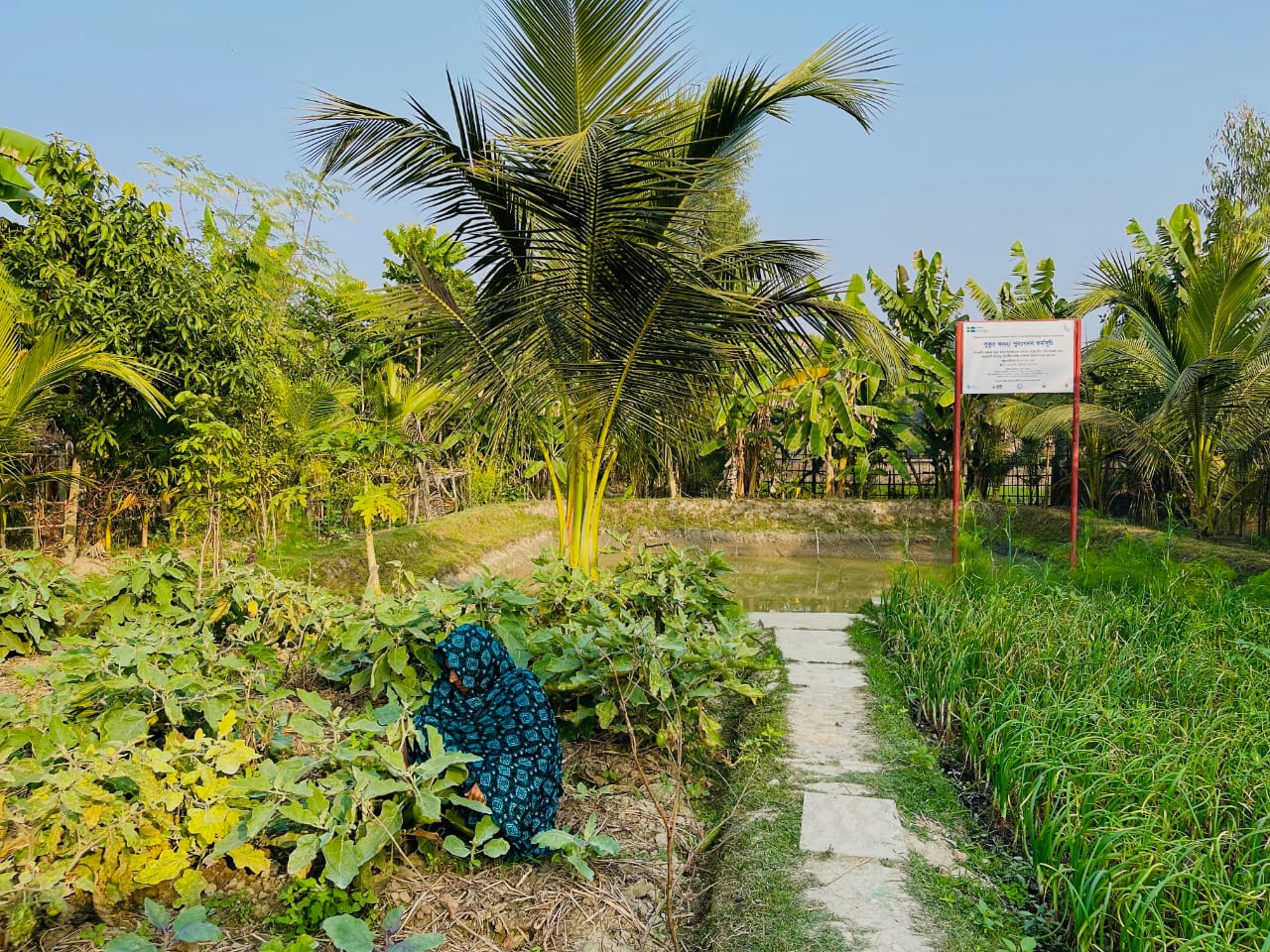
Photo: CNRS/2025
6. Diversifying Crop Production.
The more they are adaptive,
the better their resilience.