Partnering for Sustainable Impact: Advancing Communities Through CSR
Driving Sustainable Impact Through Strategic CSR Partnerships
CNRS partners with corporate organizations to design and implement impactful CSR initiatives that go beyond short-term support to create lasting, measurable change. By aligning business responsibility with community needs, CNRS delivers integrated solutions that strengthen livelihoods, enhance climate resilience, and promote sustainable natural resource management—ensuring long-term social, economic, and environmental value for communities across Bangladesh.
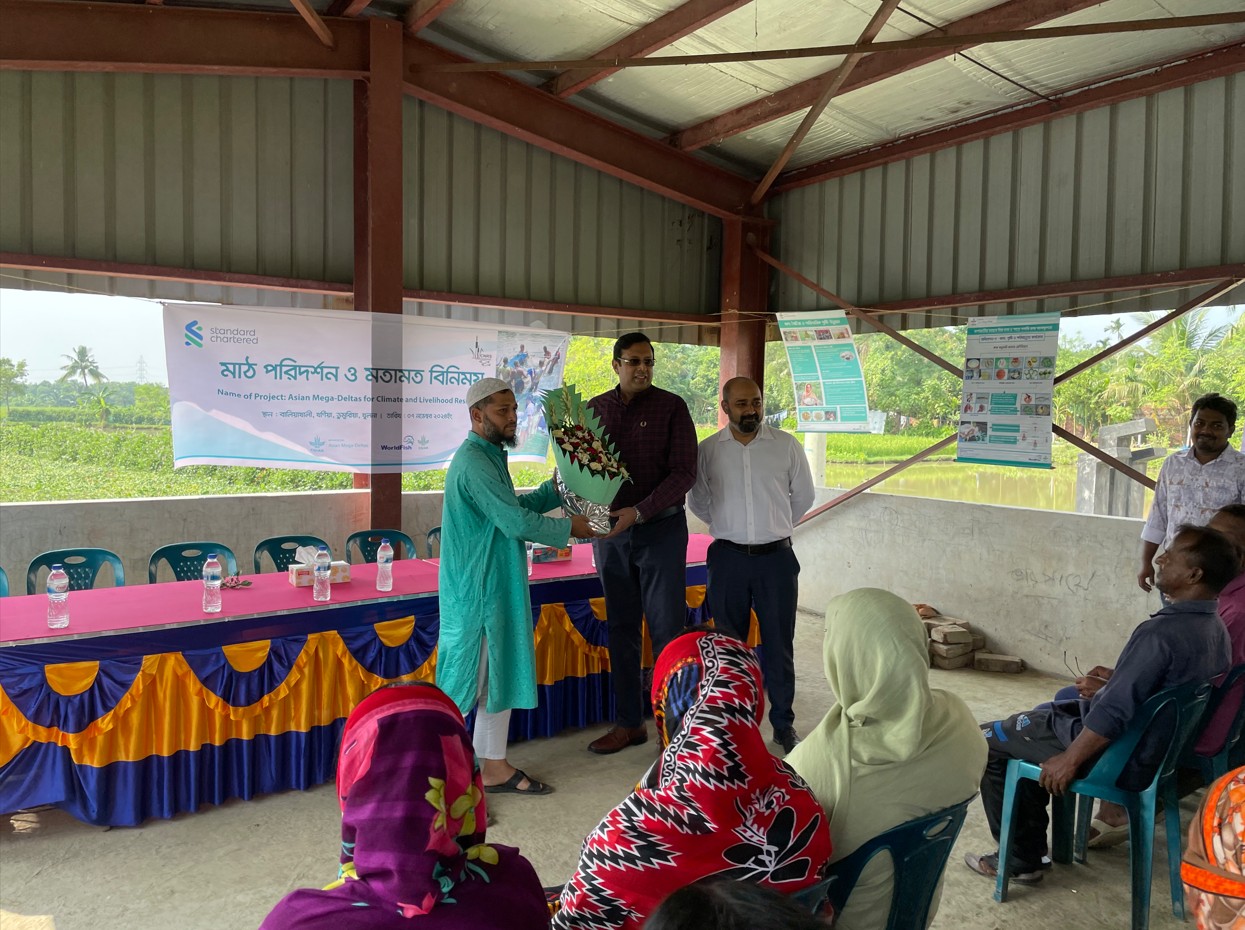
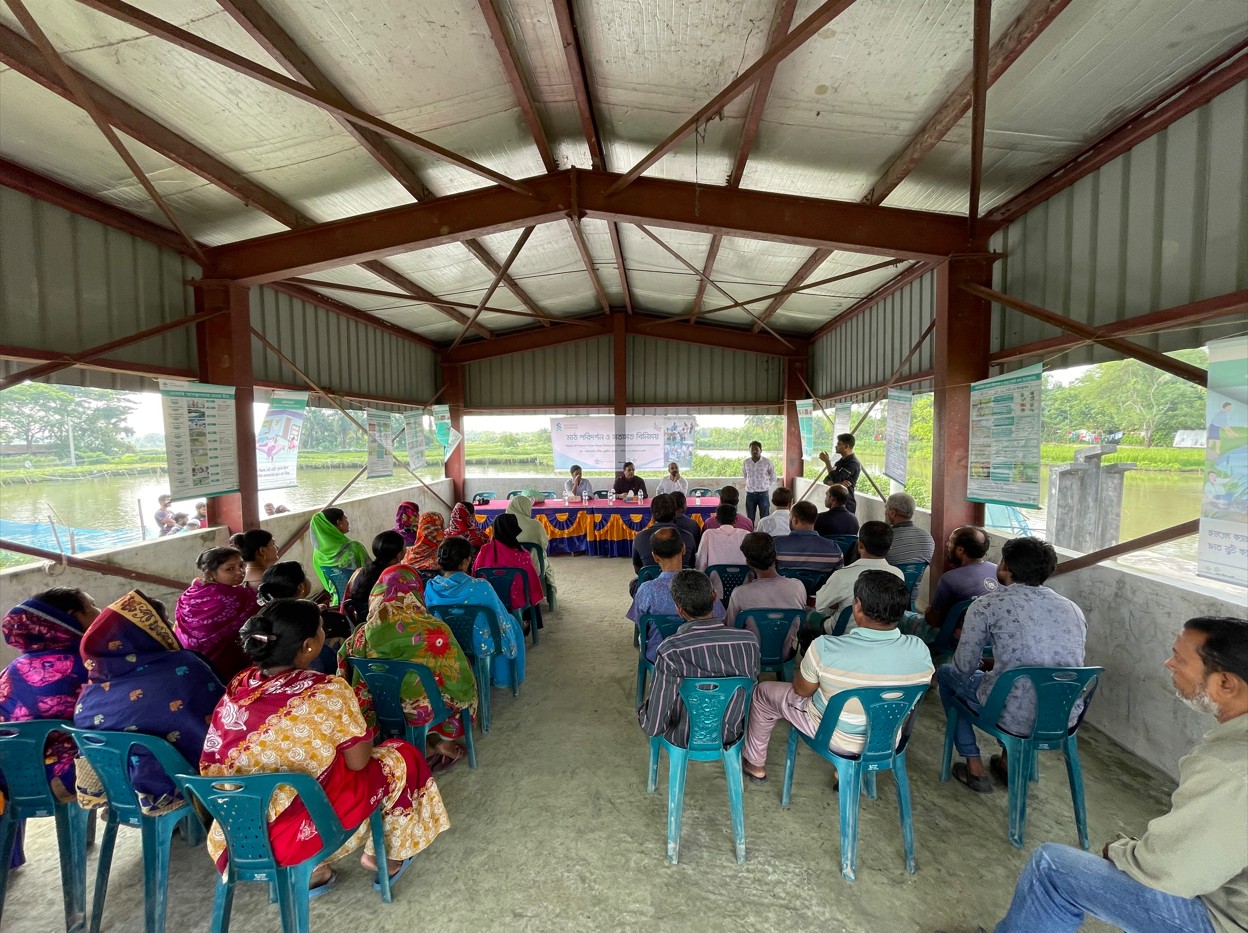
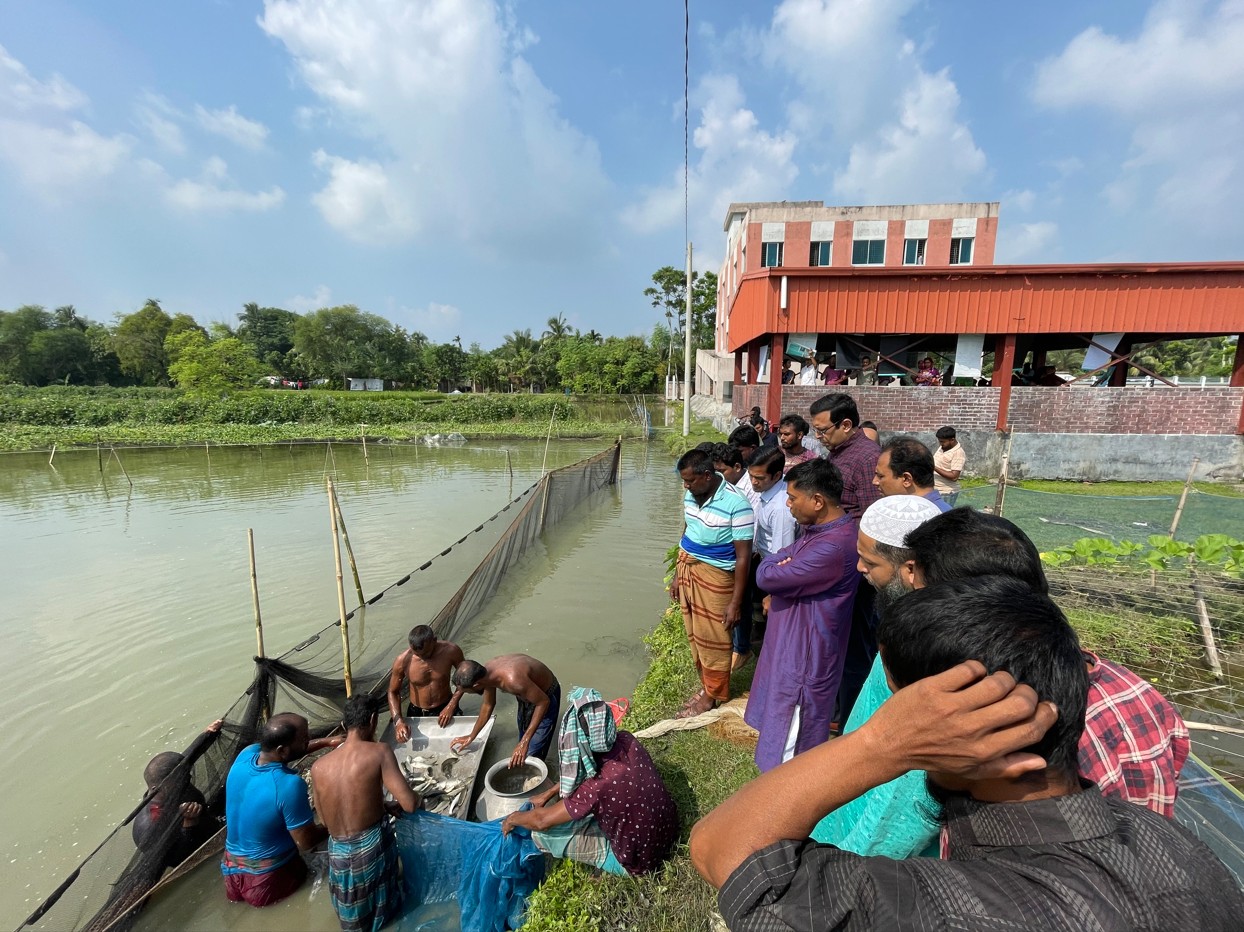
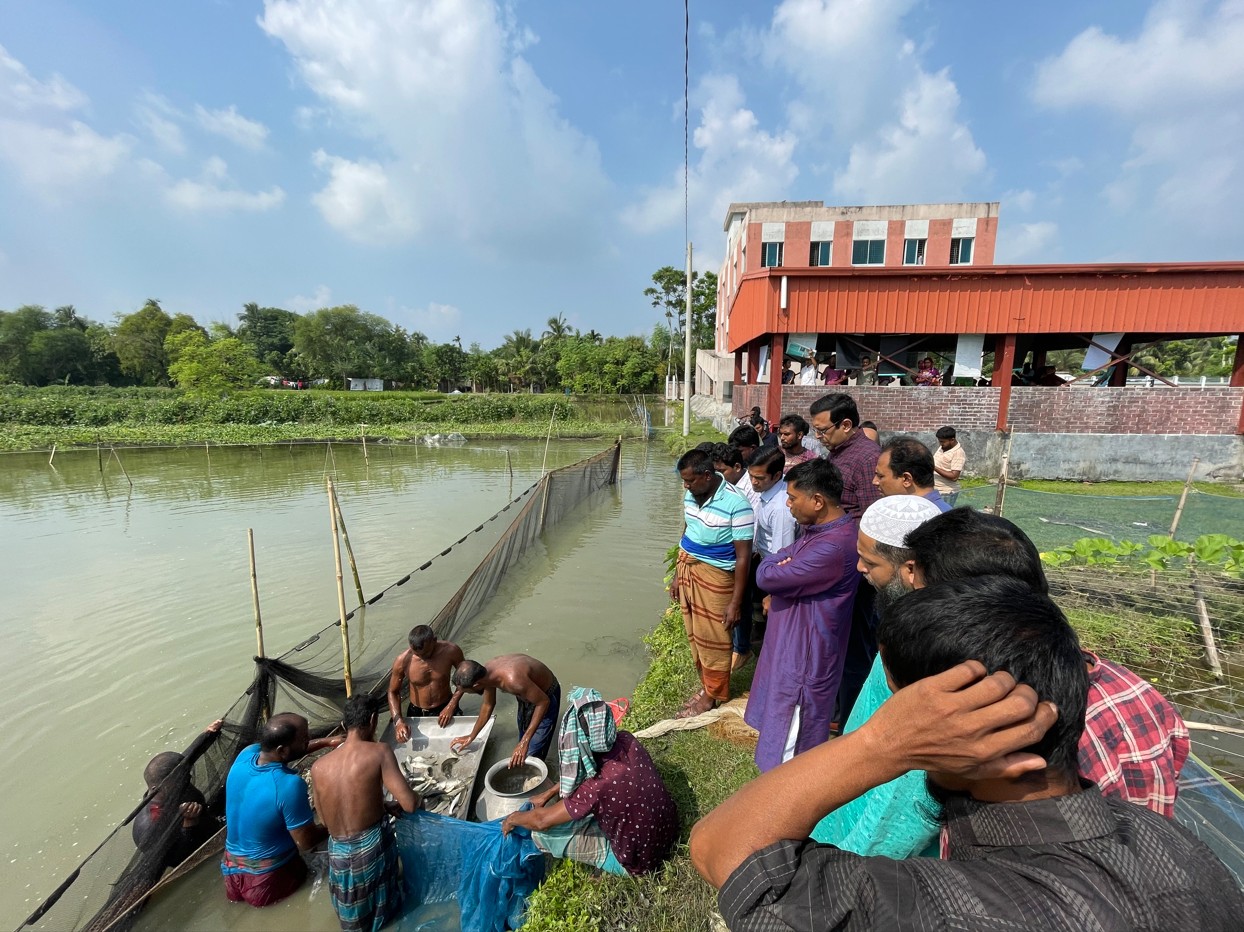
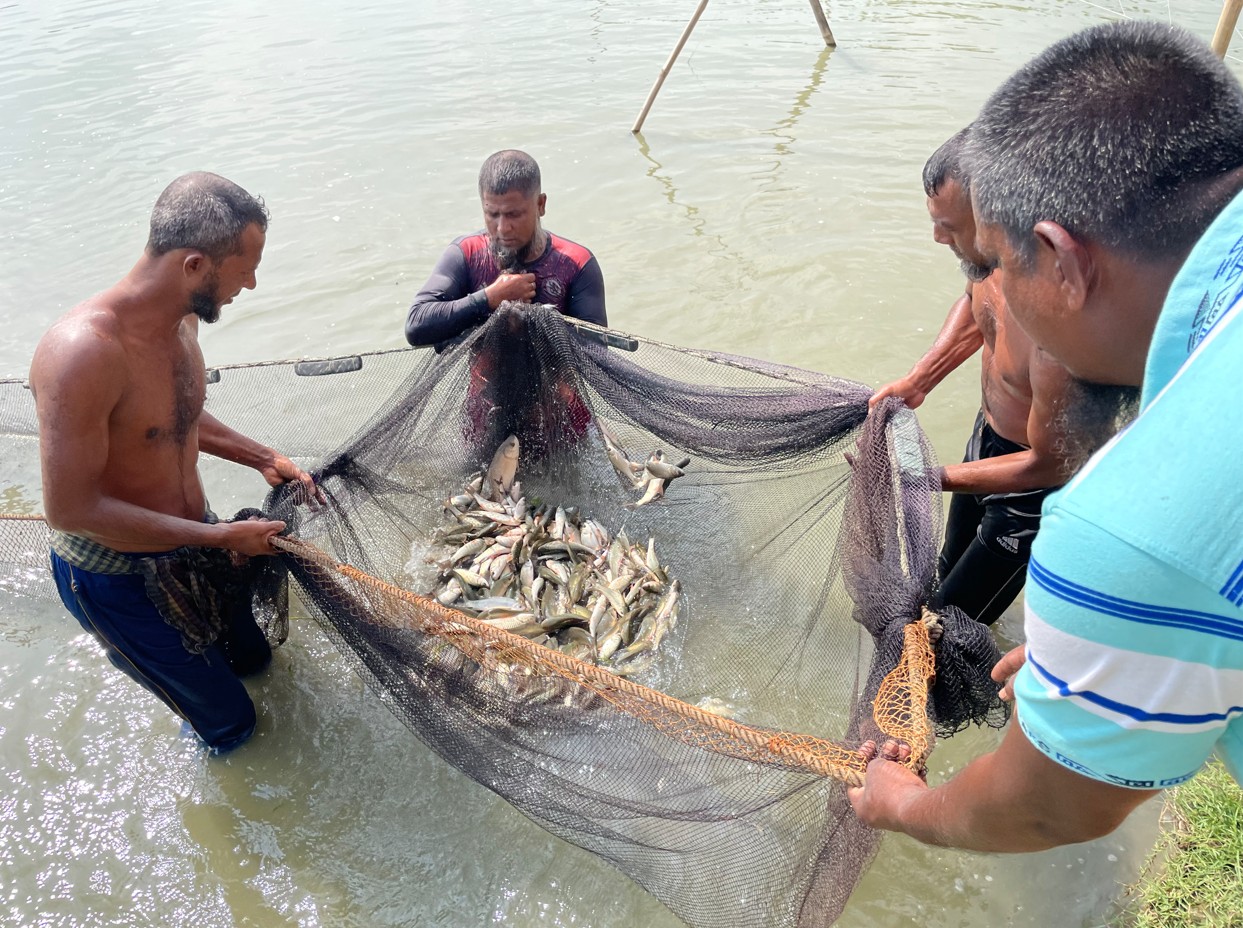
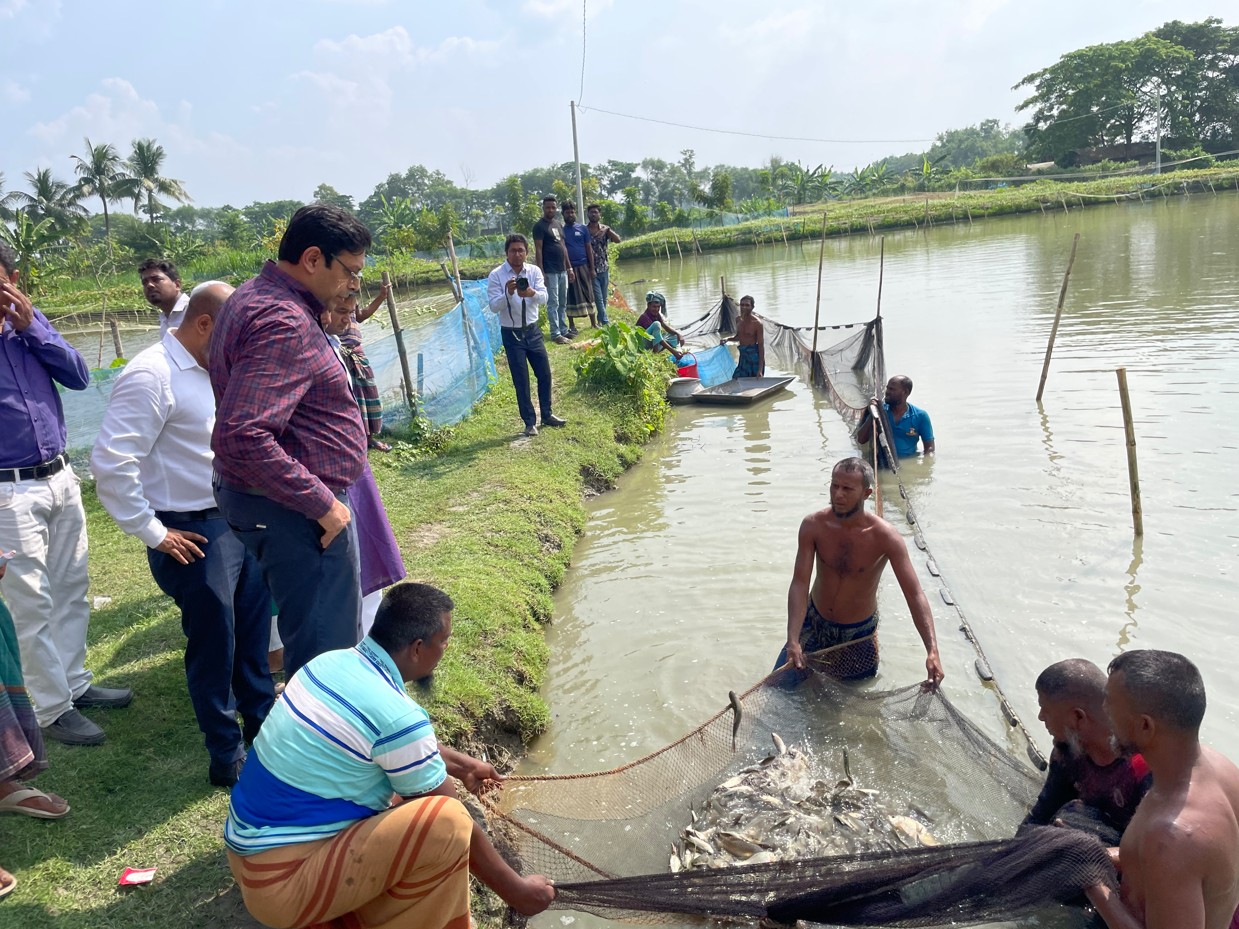
Photo: Standard Chartered Bank visit
Under its Corporate Social Responsibility (CSR) commitment, Standard Chartered Bank partnered with the Center for Natural Resource Studies (CNRS), with technical support from WorldFish under the Asian Mega-Deltas (AMD) initiative, to strengthen climate-resilient aquaculture in Bangladesh’s coastal regions.
Implemented across 18 upazilas, 69 unions, and 115 villages in the climate-vulnerable Lower Ganges Delta (Khulna and Barishal), the project addressed low productivity caused by salinity, climate shocks, and poor-quality fish seed.
Through the introduction of high-yielding G-3 Rohu and climate-smart aquaculture practices, CNRS trained 101 Local Service Providers and 2,700 farmers, while improving access to quality fingerlings, technical support, and market linkages. The initiative also promoted integrated farming (including pond dyke cultivation) and nutrient-rich Small Indigenous Species (SIS) like Mola.
As a result, over 24,000 kg of G-3 Rohu fingerlings were distributed, more than 4.7 million fry and fingerlings were produced, and around 10,000 farmers benefited overall—leading to improved survival rates, growth performance, and livelihoods.
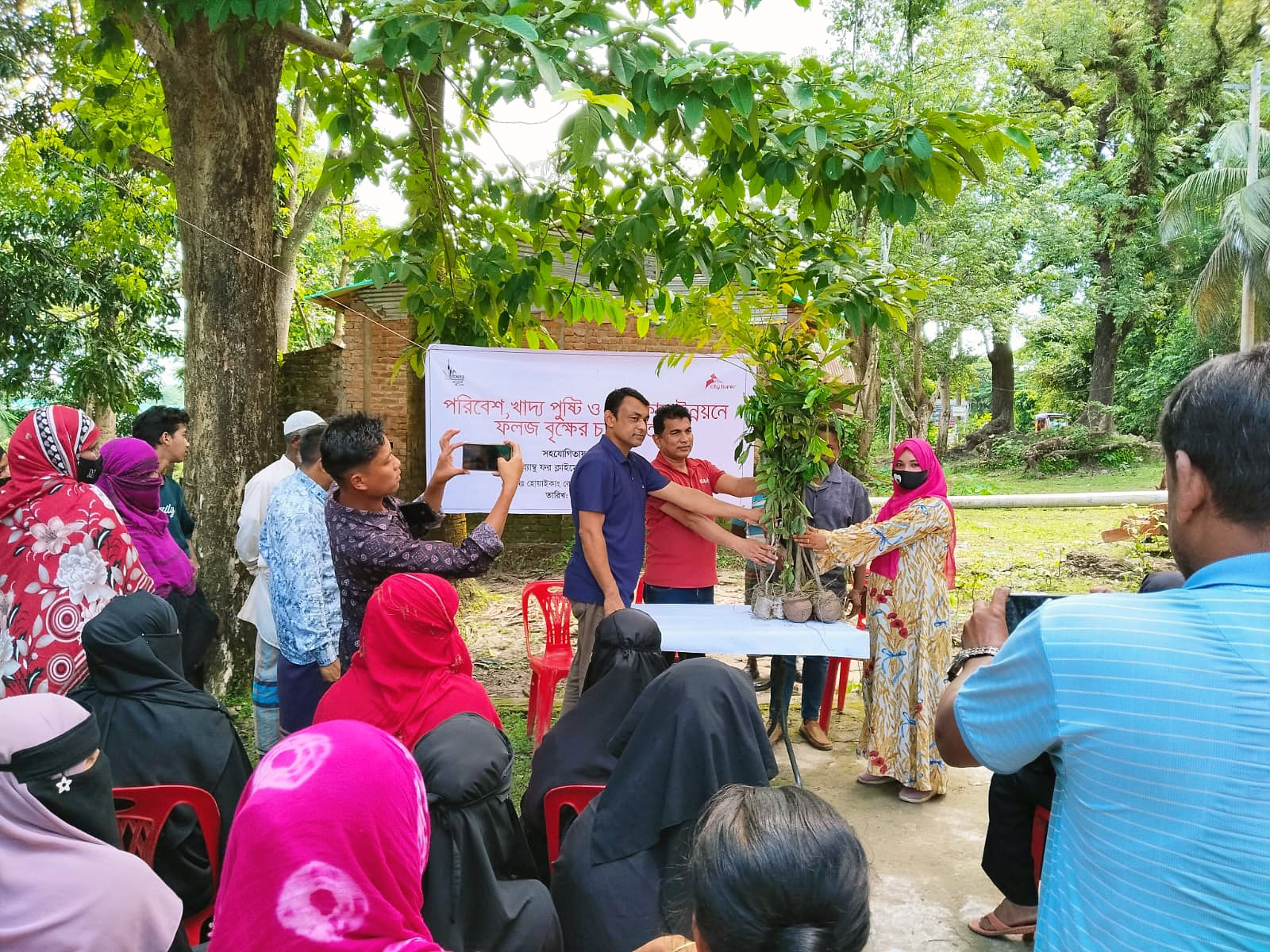
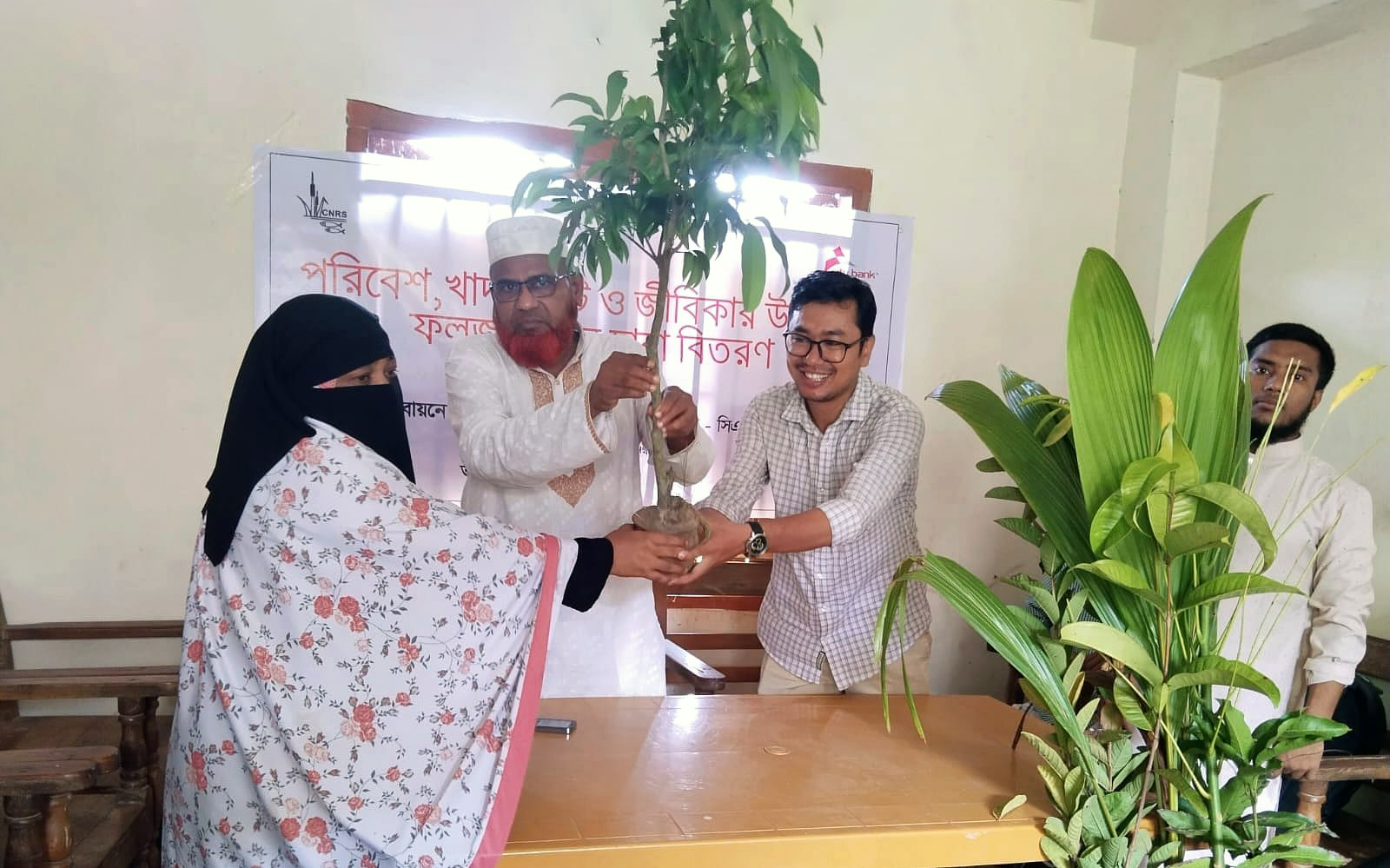
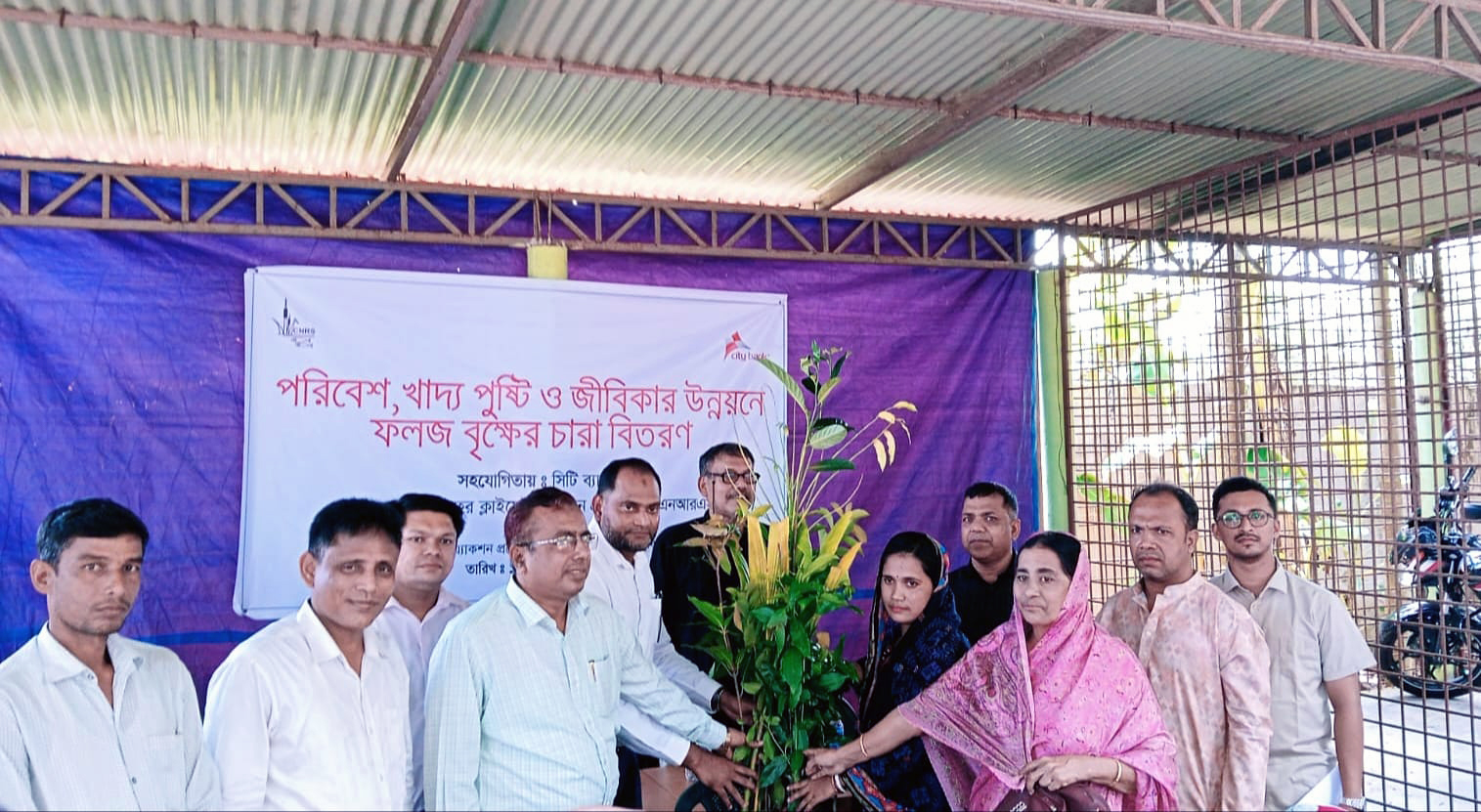
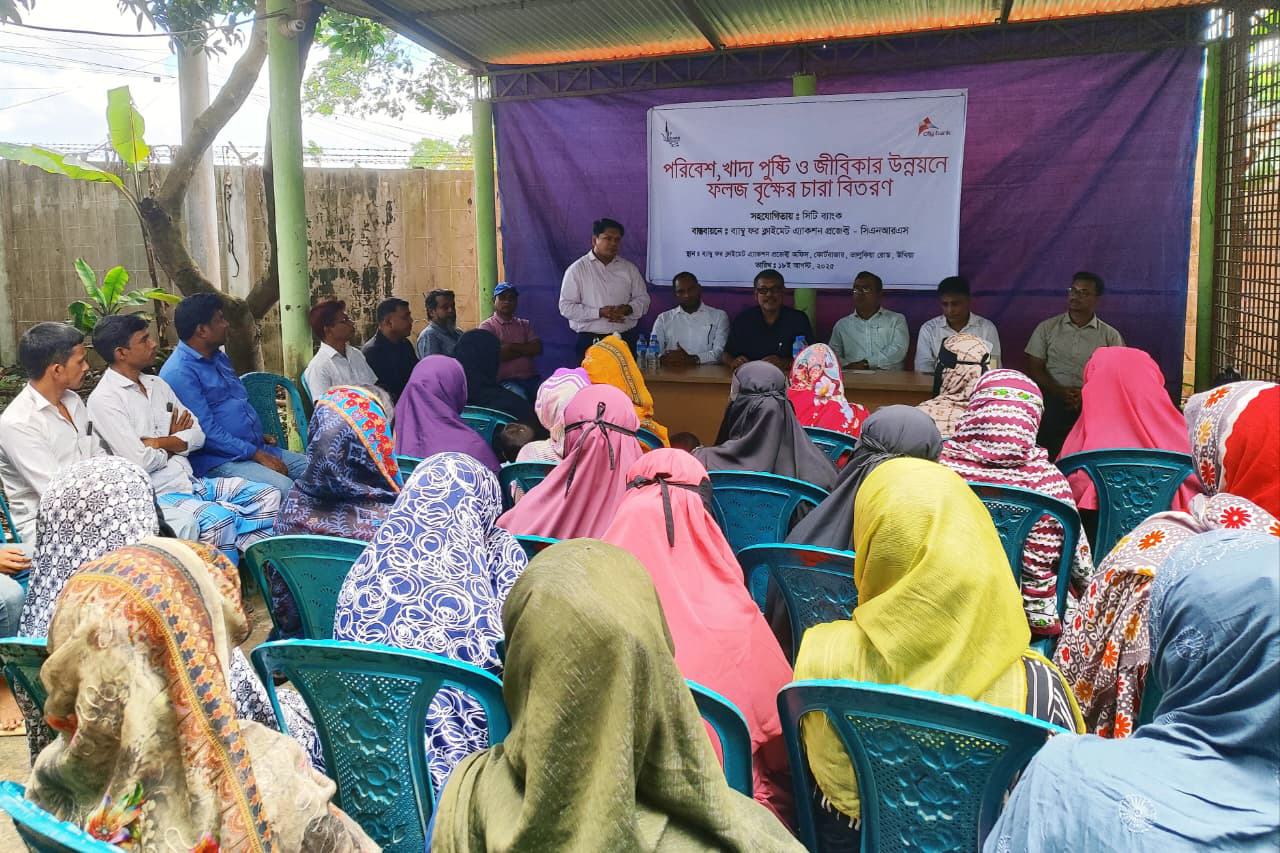
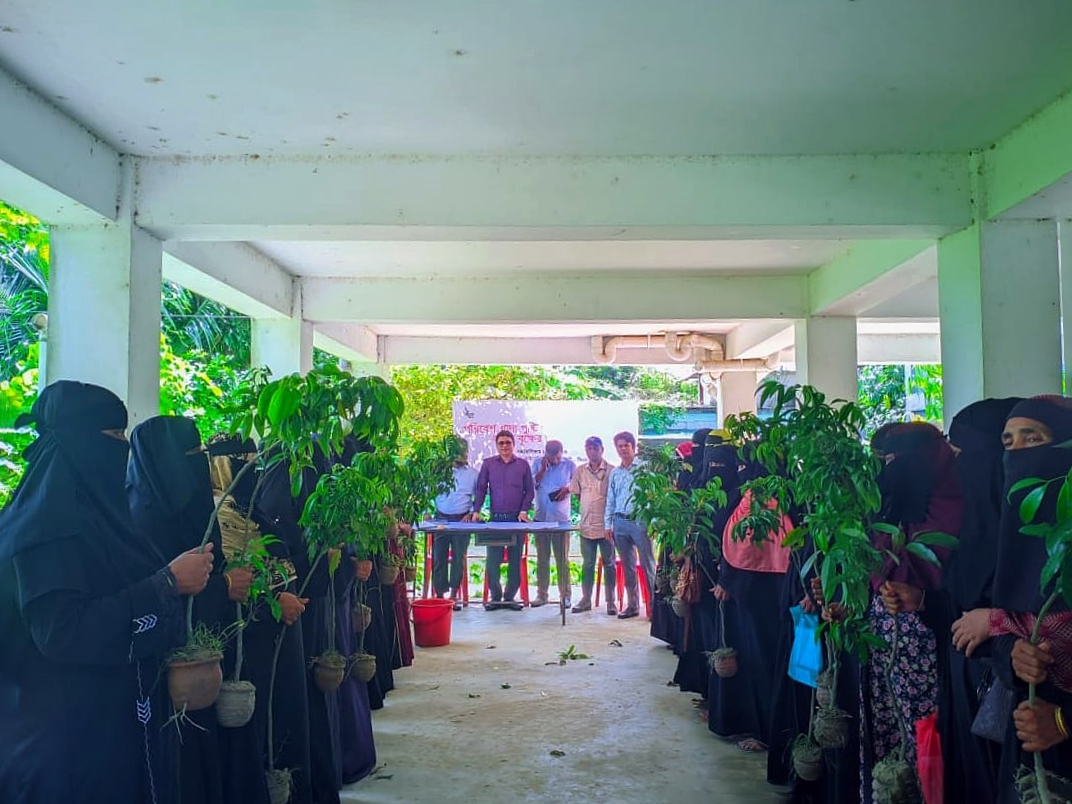
Photo: Cox's Bazar
Under its CSR commitment, City Bank PLC partnered with CNRS to strengthen climate resilience and livelihoods in the coastal belt of Cox’s Bazar through the Fruiting Tree Saplings Distribution Program under the B4CA Project.
Implemented across Teknaf, Ukhiya, and Chakaria, the initiative supported 500 vulnerable households with 5,000 fruiting saplings (10 per household), including mango, guava, jackfruit, litchi, coconut, olive, hog plum, and blackberry. To ensure sustainability, each household also received BDT 650 for fencing and transportation, improving early-stage protection and care.
The program combined multi-stakeholder collaboration—with the Bangladesh Forest Department, local government, and media—with strong community engagement, training, and monitoring. Within just one month, sapling survival rates reached an exceptional 95%, with promising growth performance across key species.
Beyond plantation, the initiative is contributing to improved nutrition, future income opportunities, biodiversity restoration, and increased environmental stewardship—benefiting 500 households directly and strengthening long-term resilience in a highly climate-vulnerable region.
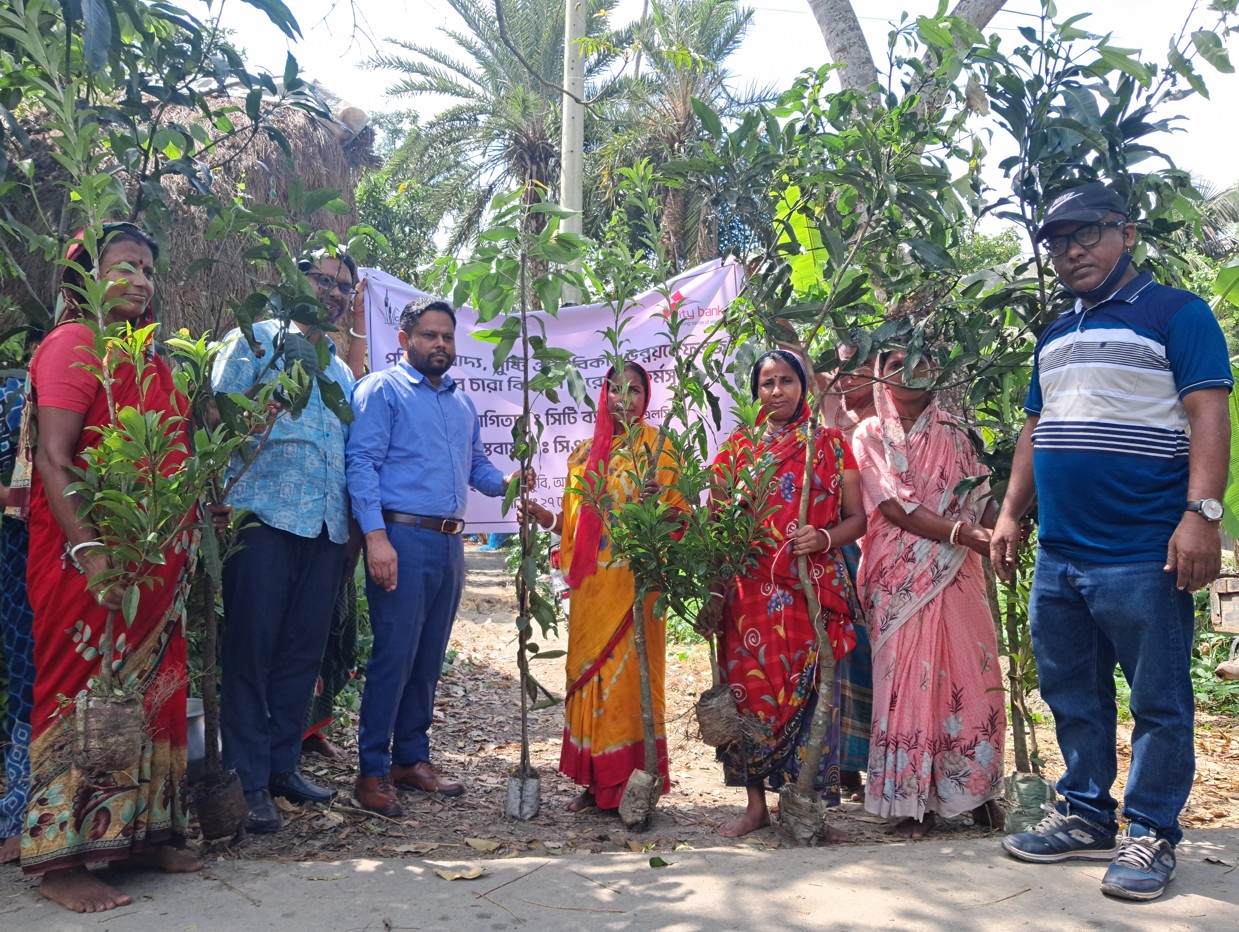
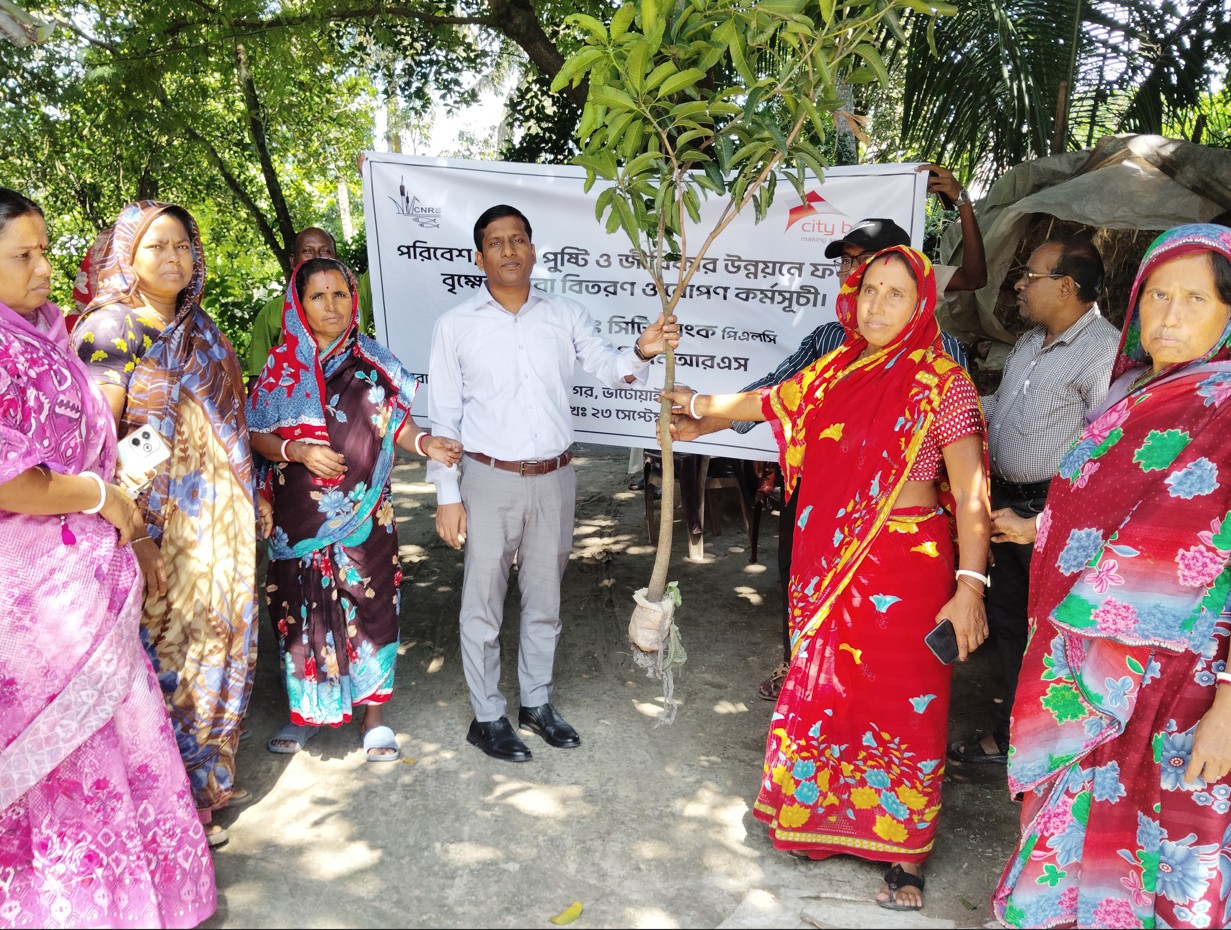
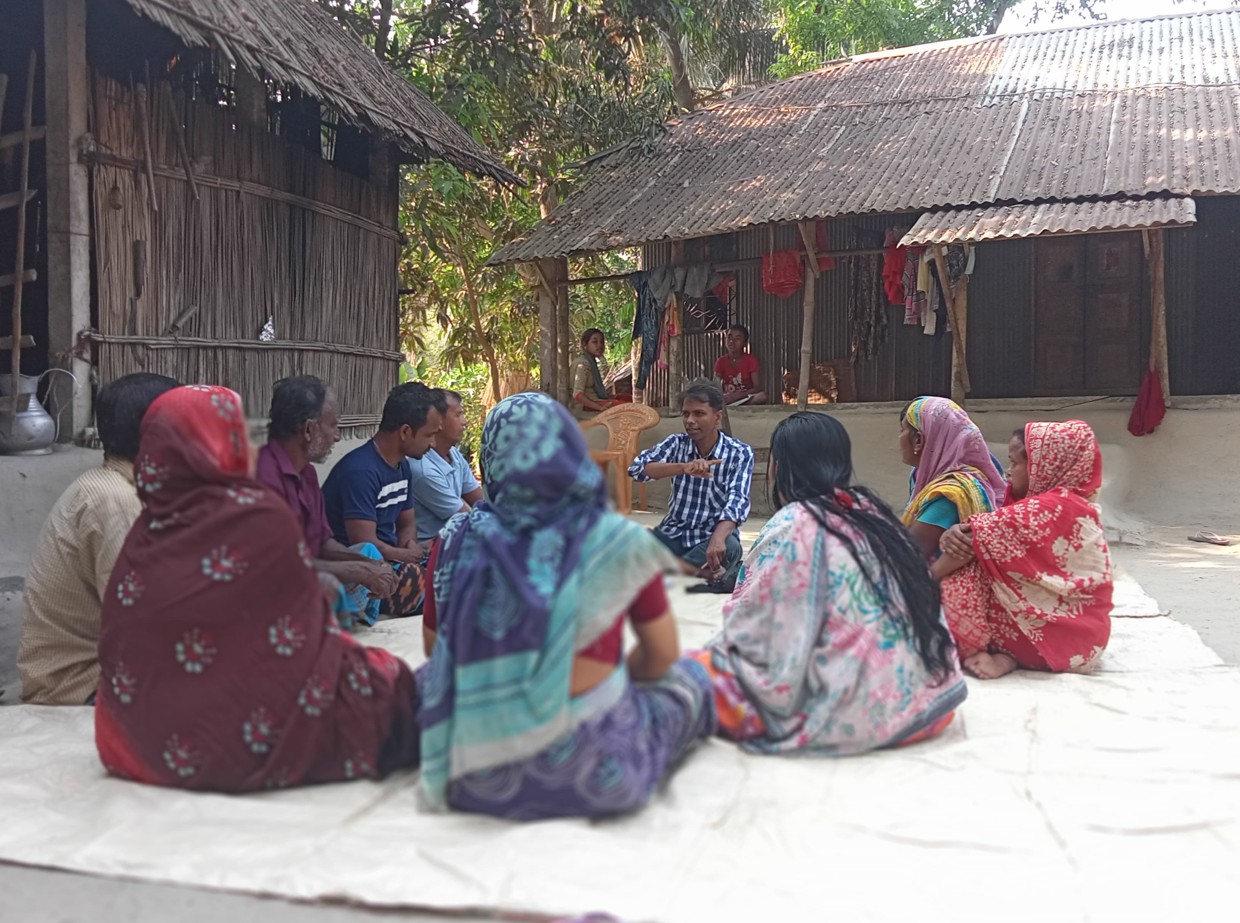
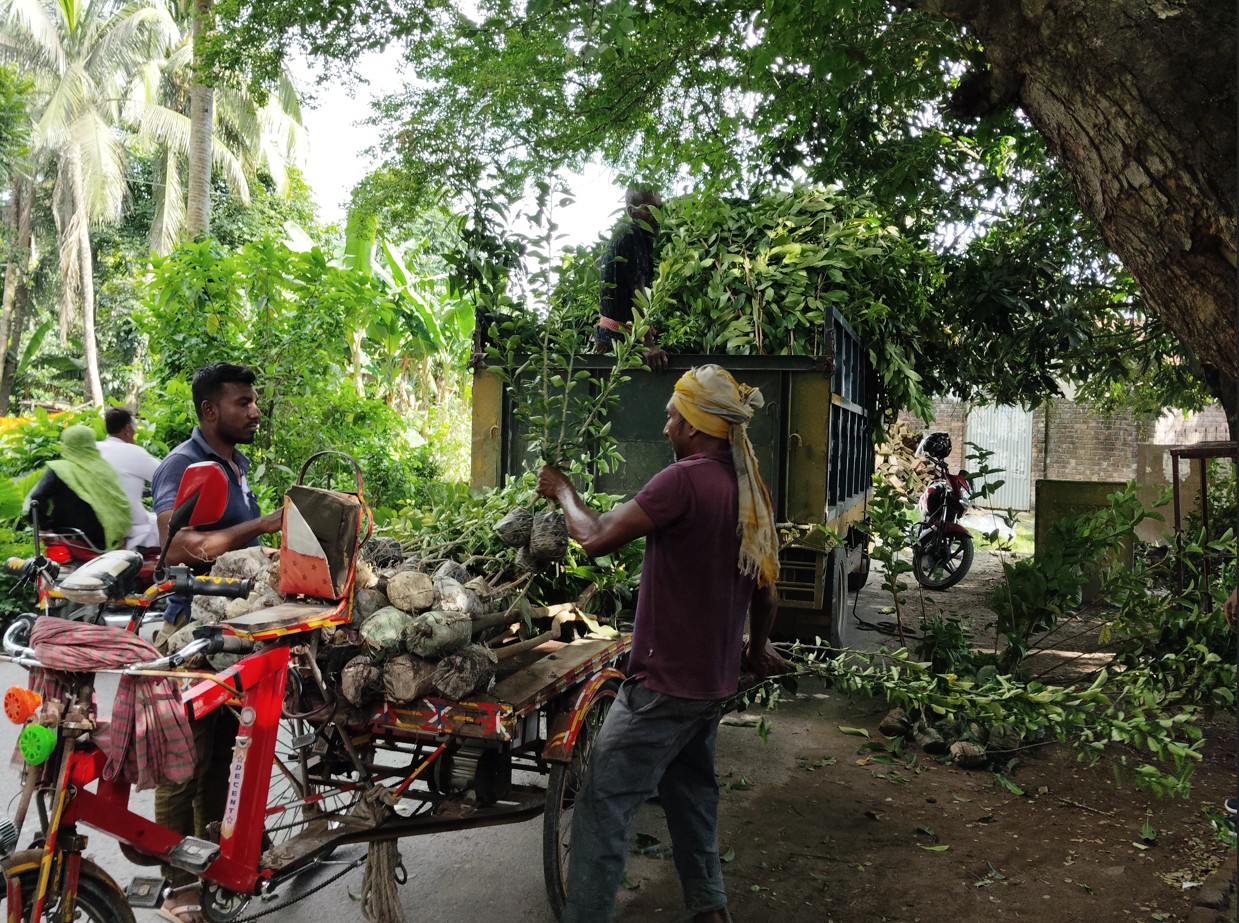
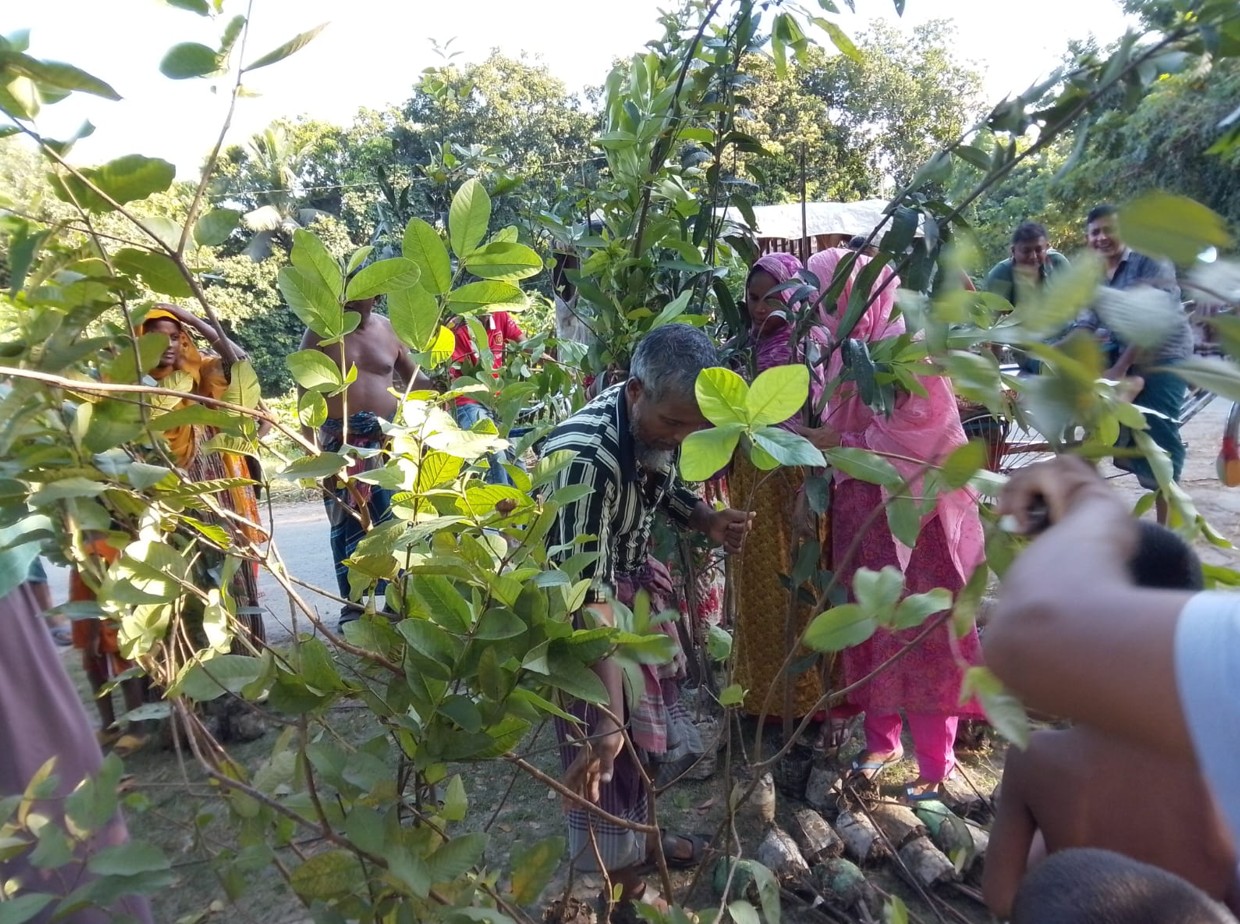
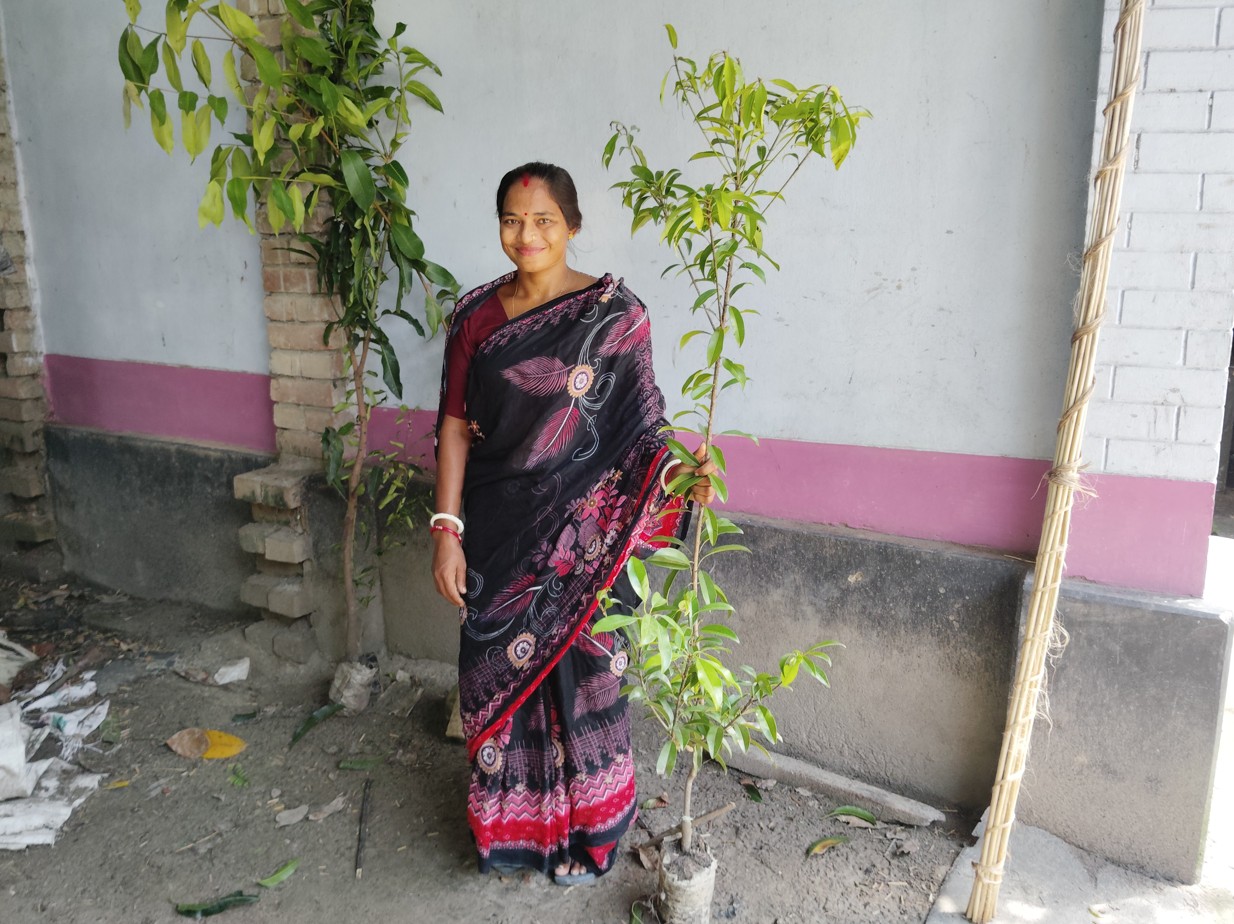
Photo: City Bank Visit, Magura
In the climate-stressed region of Magura District, CNRS implemented a Fruit Tree Plantation Project across Shalikha Upazila and Magura Sadar Upazila to strengthen resilience among vulnerable communities facing
erratic rainfall, waterlogging, and declining livelihoods.
The initiative supported 600 households across five unions—prioritizing fisherfolk, marginal farmers, and women-headed households—through the distribution of 3,000 fruit saplings (five per household), including mango, guava, lemon, blackberry, and sobeda. Each household also received fencing materials and practical training on improved planting and maintenance practices.
Implemented through a participatory approach involving local
institutions and community volunteers, the project ensured proper site
preparation, plantation, and follow-up monitoring. As a result, a strong 92%
sapling survival rate was achieved, with approximately 3.75 hectares of land
brought under green coverage. Beyond plantation, the initiative is improving household nutrition, creating future income opportunities, restoring degraded
environments, and strengthening community resilience, demonstrating a scalable, nature-based model for sustainable rural development
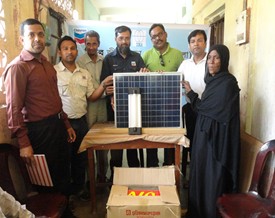
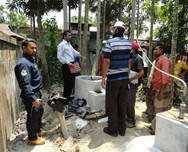
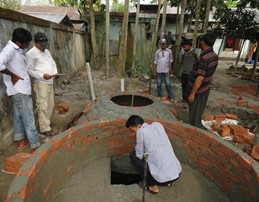
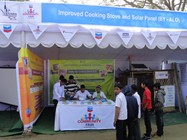
Photo: Chevron CSR in collaboration with under the Asian Mega-Deltas (AMD) initiative
Chevron and CNRS Transform Energy Access into Sustainable Livelihood Opportunities in
Bibiyana Communities
Under its Corporate Social Responsibility (CSR) commitment, Standard Chartered Bank partnered with the Center for Natural Resource Studies (CNRS), with technical support from WorldFish under the Asian Mega-Deltas (AMD) initiative, to strengthen climate-resilient aquaculture in Bangladesh’s coastal regions.
Implemented across 18 upazilas, 69 unions, and 115 villages in the climate-vulnerable Lower Ganges Delta (Khulna and Barishal), the project addressed low productivity caused by salinity, climate shocks, and poor-quality fish seed.
Through the introduction of high-yielding G-3 Rohu and climate-smart aquaculture practices, CNRS trained 101 Local Service Providers and 2,700 farmers, while improving access to quality fingerlings, technical support, and market linkages. The initiative also promoted integrated farming (including pond dyke cultivation) and nutrient-rich Small Indigenous Species (SIS) like Mola.
As a result, over 24,000 kg of G-3 Rohu fingerlings were distributed, more than 4.7 million fry and fingerlings were produced, and around 10,000 farmers benefited overall, leading to improved survival rates, growth performance, and livelihoods.
Our Vision is to see people and nature live in harmony, in a world free from exploitation and exclusion.
Our Mission is to Empower marginalized communities with the required skills and capabilities for making a change that favors pro-poor, inclusive, and development.
Our Goal is to join others in influencing the national development strategy towards directions that support sustainable development.
Since 1993, we implemented over 350+ projects with key development partners
