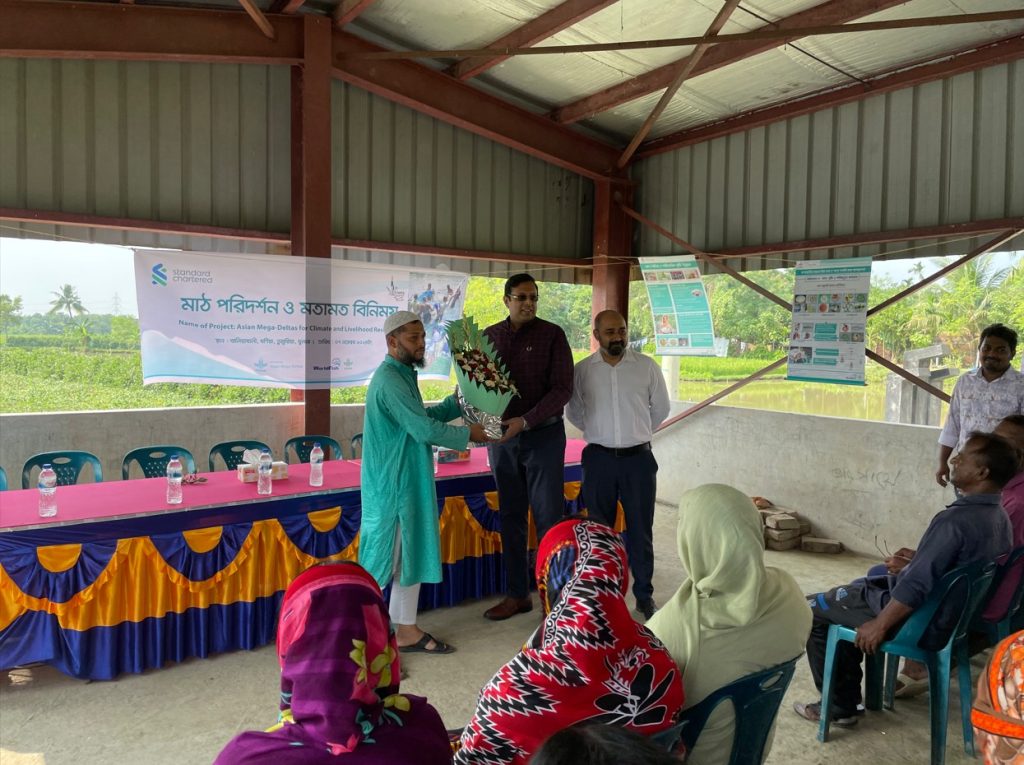

Under its Corporate Social Responsibility (CSR) commitment, Standard Chartered Bank partnered with the Center for Natural Resource Studies (CNRS) to enhance aquaculture productivity and strengthen climate-resilient livelihoods in Bangladesh’s coastal regions. Implemented with technical support from WorldFish under the Asian Mega-Deltas (AMD) initiative, the project introduced improved fish varieties and climate-smart aquaculture practices.
The project aimed to increase aquaculture production and income of fish farmers and nursery operators through the adoption of high-yielding G-3 Rohu and improved farming techniques. It was implemented across the climate-vulnerable Lower Ganges Delta, covering 18 upazilas, 69 unions, and 115 villages in Khulna and Barishal divisions—areas highly exposed to salinity, cyclones, and waterlogging.
In coastal Bangladesh, prolonged salinity and climate shocks severely limit agricultural production. Small-scale farmers often depend on traditional aquaculture systems with poor-quality fish seed, leading to low growth, high mortality, and reduced income. Limited access to technical knowledge and market linkages further constrains productivity.
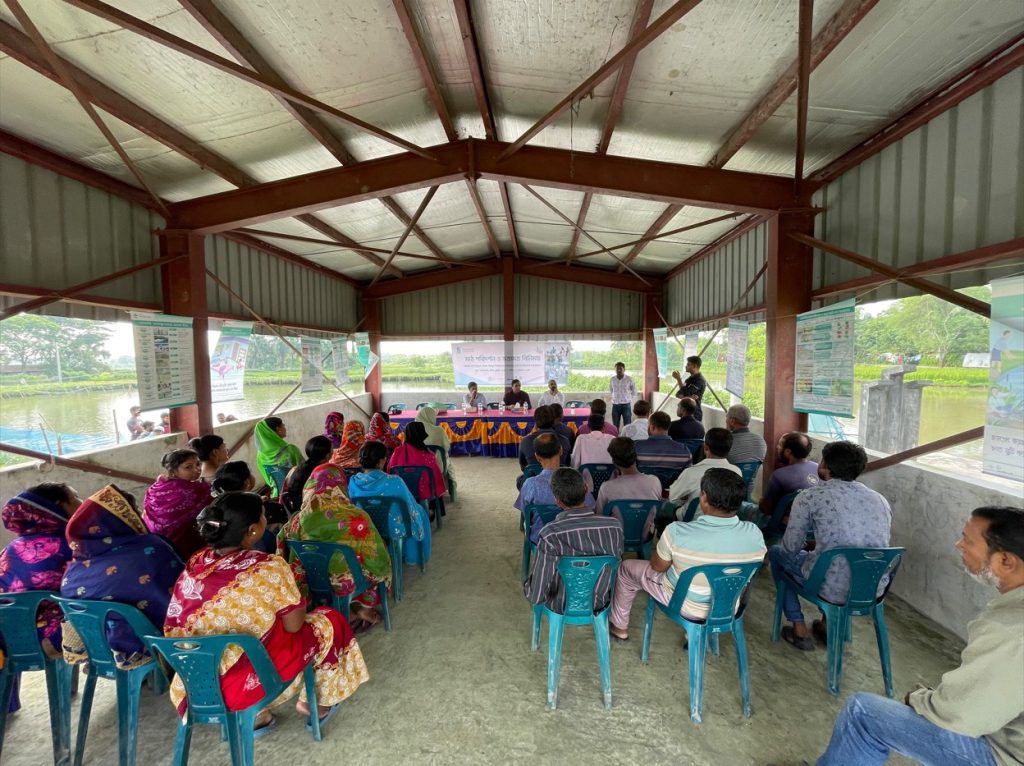
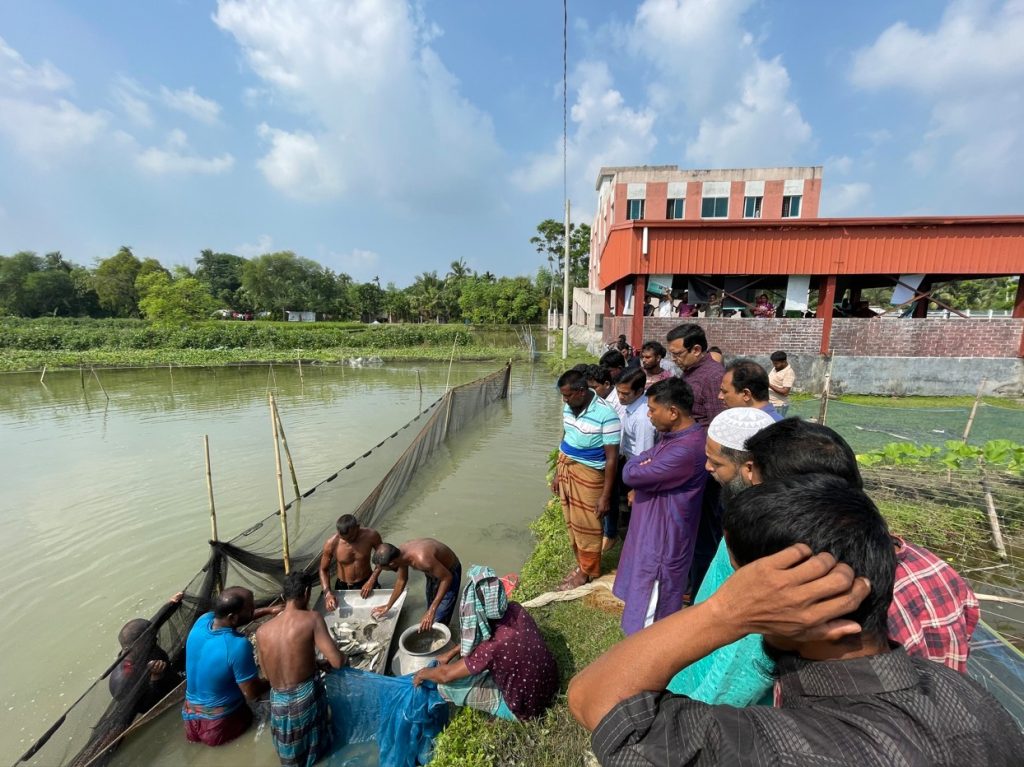
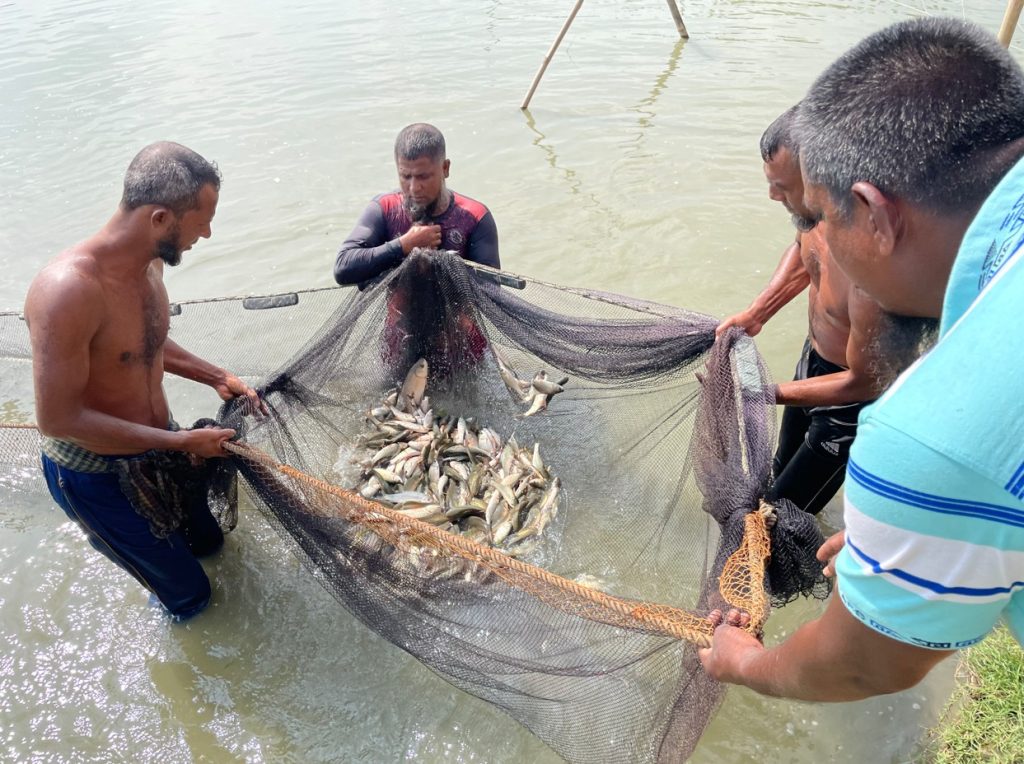
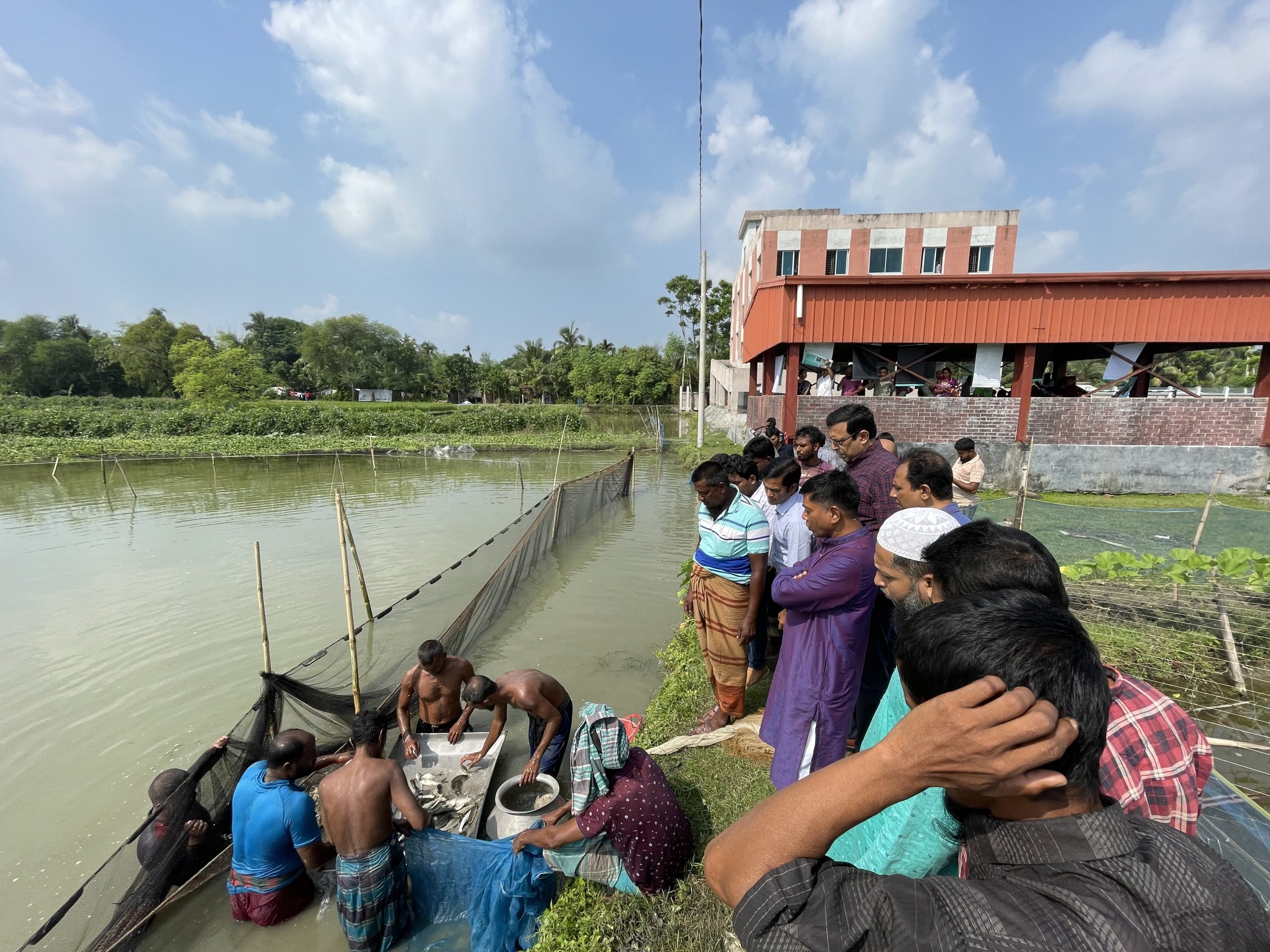
To address these challenges, CNRS implemented a comprehensive aquaculture model centered on the introduction of high-yielding G-3 Rohu, a fast-growing improved fish variety. The project trained 101 Local Service Providers (LSPs) and 2,700 farmers on Good Aquaculture Practices, while ensuring access to quality fingerlings and continuous technical support. It also promoted integrated aquaculture-agriculture systems, including pond dyke vegetable cultivation, and introduced nutrient-rich Small Indigenous Species (SIS) such as Mola to enhance nutrition. At the same time, linkages were strengthened among hatcheries, nurseries, farmers, and market actors, supported by community awareness activities that reached over 1,500 participants. As a result, the initiative directly supported 2,700 farmers, distributed over 24,000 kg of G-3 Rohu fingerlings, and facilitated the production of more than 4.7 million fry and fingerlings. Overall, around 10,000 farmers benefited through extended networks, with noticeable improvements in farming practices, survival rates, and fish growth performance.
Case Story: Amit Joarder’s Transformation
In the salinity-affected village of Halia in Botiaghata upazila, Khulna, Amit Joarder, a small-scale fish farmer, struggled for years with low productivity due to harsh environmental conditions.
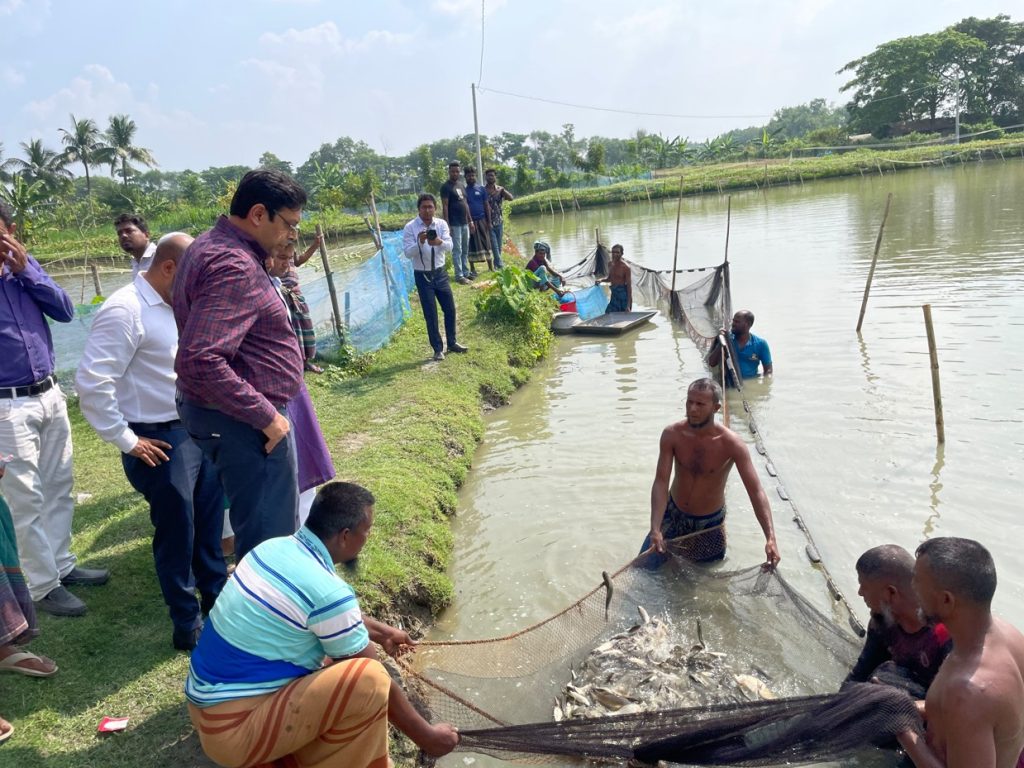
As part of the project, Amit was selected among demonstration farmers and received 14 kg of G-3 Rohu fingerlings for his 33-decimal pond. With guidance from CNRS and WorldFish, he adopted improved aquaculture practices, including proper stocking, feeding, and water quality management.
The results were remarkable.
Within just 5.5 months, the fish grew from an average of 100 grams to 1.2 kg, a level of growth previously unseen in the community.
“Earlier, we could not imagine this level of production in such a short time. Now I see real benefits from fish farming, and I feel confident to continue,” says Amit.
Today, Amit is earning more from fish sales while also improving his family’s nutrition through regular fish consumption. His success has inspired other farmers in the village to adopt improved aquaculture practices.
The project has contributed to increased income, improved nutrition, and enhanced climate resilience among coastal communities. By strengthening local service providers and promoting access to quality inputs and knowledge, it has established a sustainable model for aquaculture development.
This partnership between Standard Chartered Bank and CNRS demonstrates how targeted CSR investments can create lasting impact—transforming livelihoods and building resilience in climate-stressed regions of Bangladesh.