
In the south-western region of Magura District, communities continue to face a complex mix of climatic and non-climatic challenges. Erratic rainfall, drought, waterlogging, flooding, and water pollution are no longer isolated events but recurring realities that directly affect livelihoods, food security, and the natural environment. Most households in this region depend on fishing, small-scale agriculture, and day labor—livelihoods that are increasingly under strain due to declining fisheries resources, degraded agricultural land, deteriorating soil fertility, and frequent climate shocks. As a result, communities remain in a persistent state of vulnerability.
In response to this context, CNRS implemented a Fruit Tree Plantation Project across Shalikha Upazila and Magura Sadar Upazila, positioning fruit tree cultivation as a practical and locally appropriate solution to strengthen resilience. The initiative recognized that integrating fruit trees into homesteads could simultaneously address multiple challenges—improving household nutrition, generating income through fruit sales, and creating natural protection against wind and soil erosion. Species such as mango, guava, lemon, blackberry, and sobeda were selected due to their adaptability to local soil and climatic conditions, as well as their economic and nutritional value.
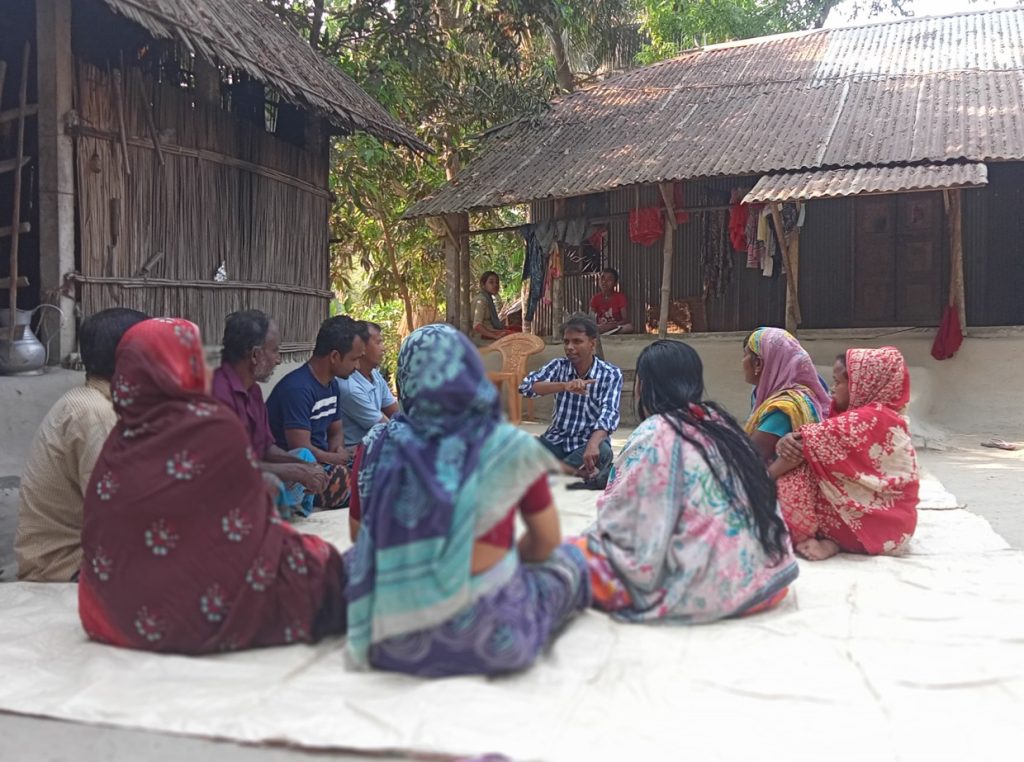
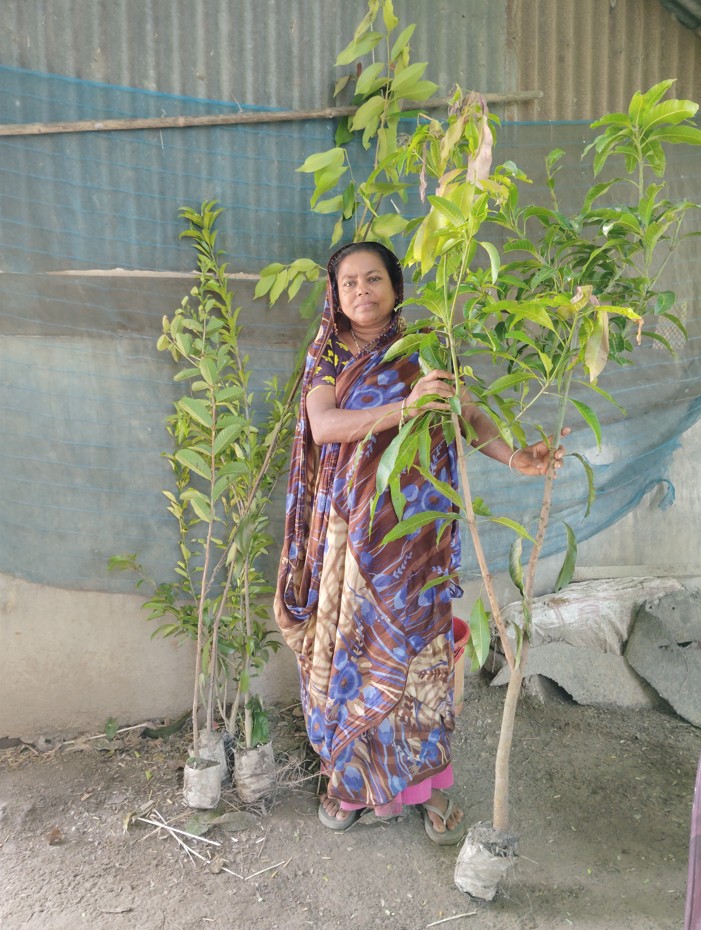
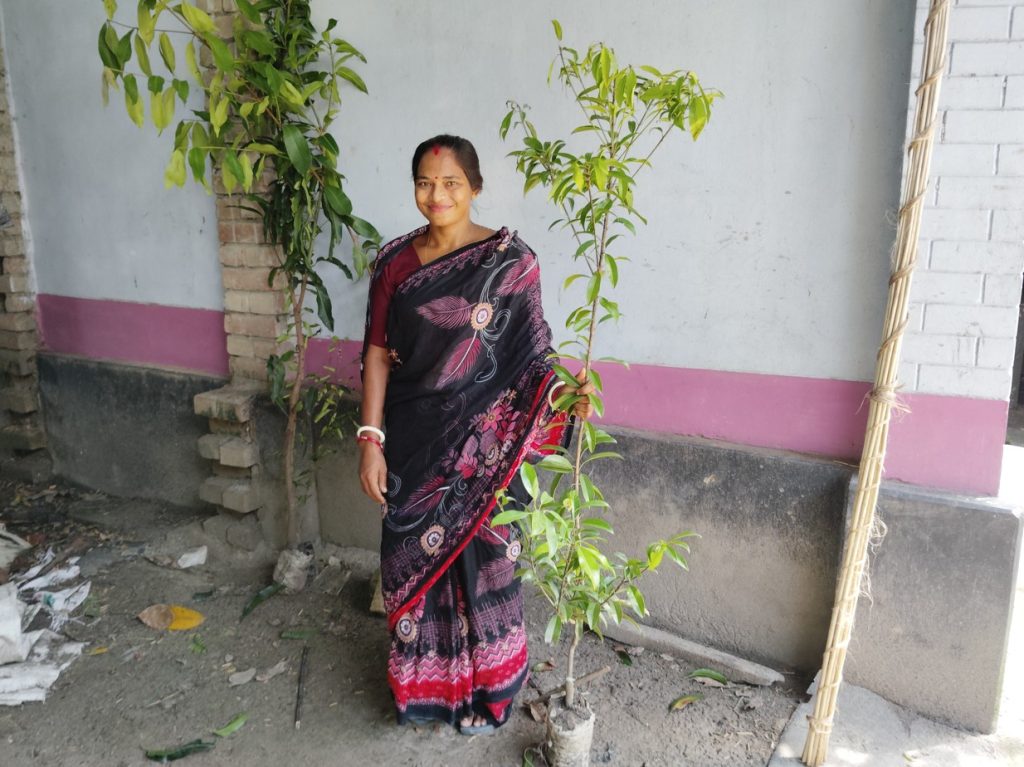
The project aimed to reach 600 vulnerable households across five unions, prioritizing fisherfolk, marginal farmers, women-headed households, and youth girls to ensure inclusivity and long-term impact. Each selected household received five fruit saplings—amounting to a total of 3,000 saplings—along with 75 feet of fencing net to protect the plants. Alongside material support, all 600 participants received orientation on improved fruit tree planting technology, equipping them with the knowledge required for proper planting, maintenance, and long-term care.
From the outset, the project followed a structured and participatory approach. Beneficiary selection was conducted through consultations with community-based organizations (CBOs), local government representatives, and coordination with the Department of Agricultural Extension. Selection criteria ensured that participants were permanent residents with access to suitable land and water, demonstrated willingness to maintain the trees, and had the capacity to participate in training and follow project guidelines. Particular emphasis was placed on including resource-poor households, women, and youth girls. Physical verification through field visits further ensured the appropriateness and readiness of each selected household.
Species selection was equally participatory and evidence-based. Through three focus group discussions with CBO members and community representatives, along with consultations with agricultural extension কর্মকর্তারা and local fruit growers, the project identified species that were both in demand and suitable for local conditions. Ultimately, 600 saplings each of guava, sobeda, lemon, blackberry, and mango were distributed, ensuring that every household received a diverse mix of fruit-bearing trees.
At the planning stage, the project team developed a comprehensive implementation framework covering community mobilization, training, volunteer engagement, field verification, procurement, and distribution logistics. Two dedicated volunteers were engaged at the community level from 23 September 2025 for a one-month period. They were trained by technical experts, including support from BRAC resource persons, and guided continuously by CNRS technical staff. Their role was critical in facilitating community orientation, supporting plantation activities, and ensuring adherence to proper planting techniques.
Before distribution, all selected households were instructed to prepare planting pits according to technical guidelines, including pit digging, mound preparation, and the application of organic compost. Beneficiaries also arranged plant stakes and fencing poles. Volunteers conducted field visits to verify preparedness and reported progress to the CNRS technical team, ensuring timely readiness for plantation.
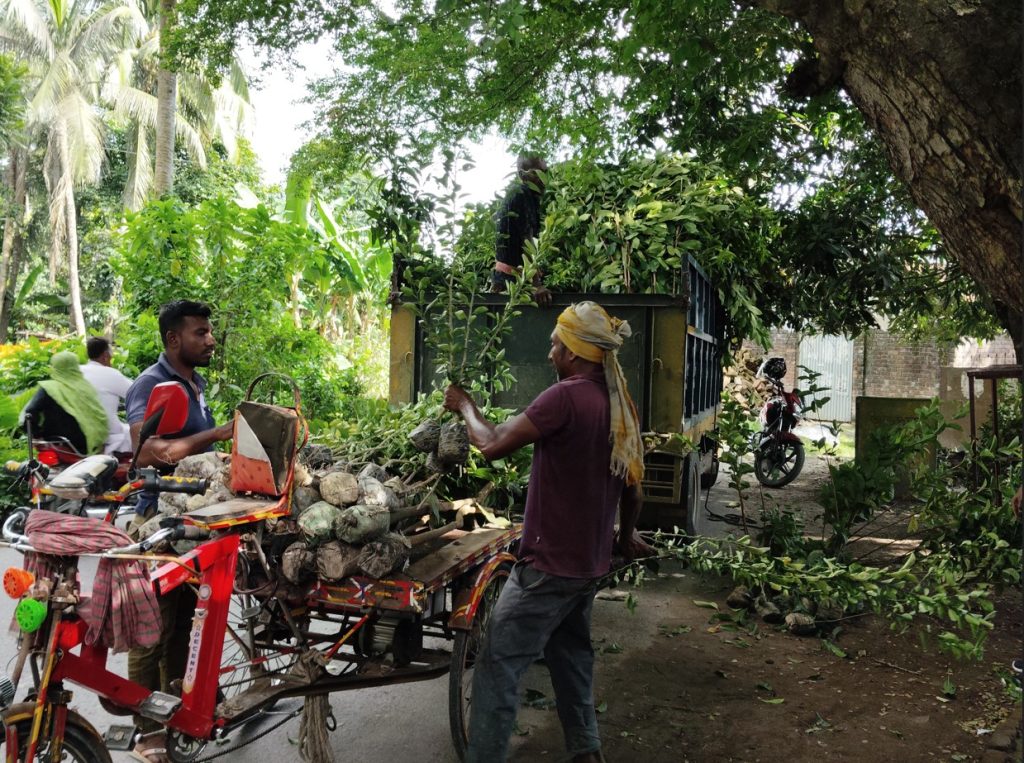
Procurement of saplings and fencing materials followed a rigorous and transparent process in line with CNRS policies. The team visited multiple nurseries across Magura, Jashore, and Paigacha, and issued Requests for Quotation (RFQs) to ensure quality and cost-effectiveness. Ultimately, 3,000 saplings of the selected species and the required fencing nets were procured as per specifications.
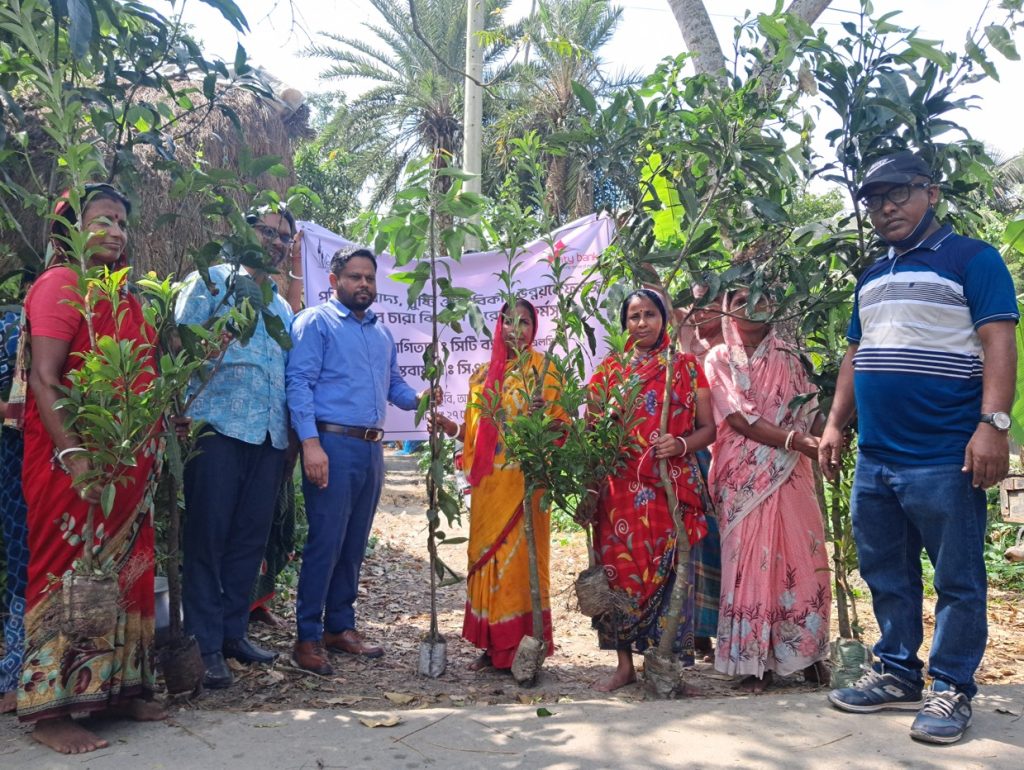
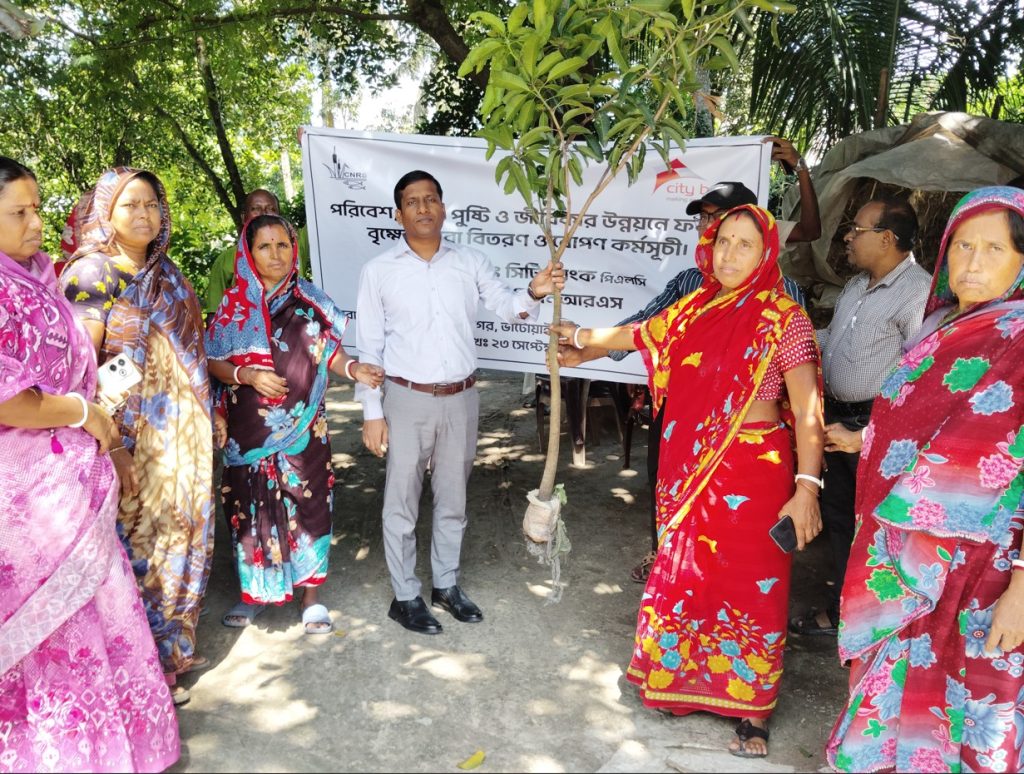
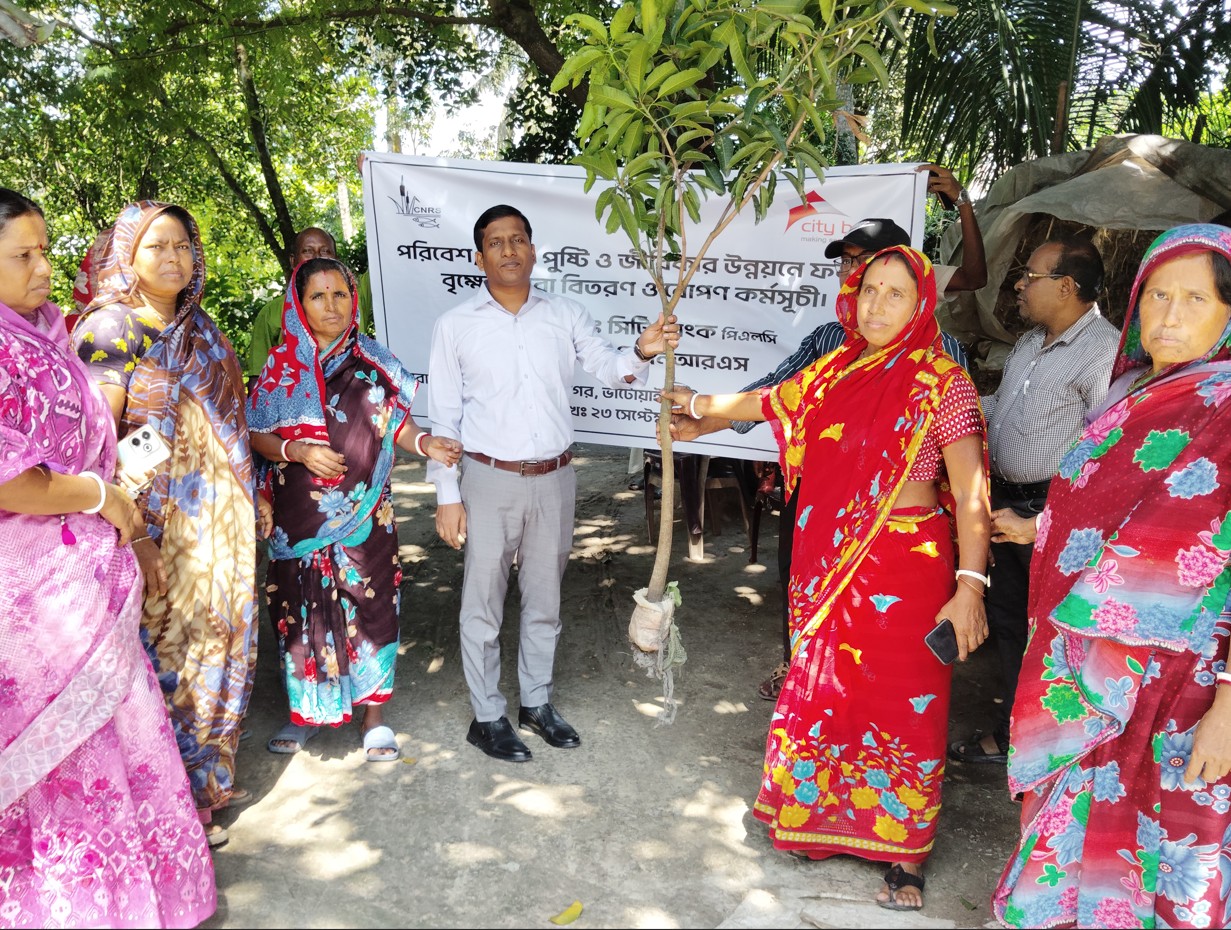
Distribution was carried out through a combination of ceremonial events and decentralized delivery points. Two formal distribution events were organized in Chukinagar village under Shalikha Upazila and Kechuadubi village under Magura Sadar Upazila, where the respective Upazila Nirbahi Officers attended as chief guests. During these events, 65 beneficiaries received saplings and fencing materials in a celebratory and inclusive environment. To ensure accessibility for all participants, an additional eight distribution points were established, with Union Parishad members present to support the process. In total, all 600 beneficiaries received their allocated five saplings and 75 feet of fencing net, with proper documentation maintained through a master roll.
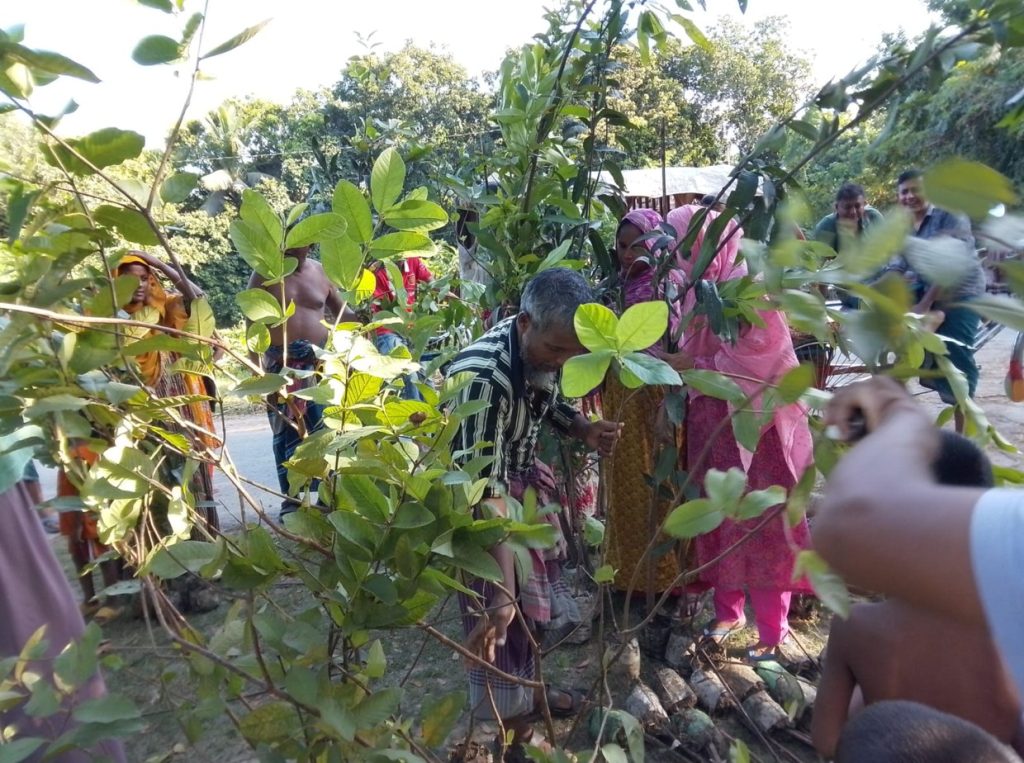
The planting process itself was designed as a community-driven activity. Beneficiaries, along with their family members and youth participants, worked together to plant the saplings in prepared pits, ensuring proper soil compaction, watering, and fencing. The process fostered teamwork, environmental awareness, and a strong sense of ownership. Follow-up support was ensured through door-to-door visits by volunteers, aligned with the planting schedule.
Post-plantation, regular monitoring and maintenance activities were conducted, including watering, mulching, weeding, and documentation of each plant using GPS-tagged photographs. The project achieved full coverage of its targets, supporting 600 households and planting all 3,000 saplings. A survival rate of 92% was recorded, with 8% of saplings replanted to ensure sustainability. Additionally, approximately 3.75 hectares of previously barren land were transformed into green coverage.
The outcomes of the project are already visible. Households have improved access to diverse and nutritious fruits, contributing to better dietary practices. Early signs of supplementary income generation are emerging, reducing dependence on fishing and daily wage labor. Environmentally, the increased tree cover is helping to stabilize soil, reduce erosion, and act as a natural barrier against climatic stresses such as strong winds and storms. Socially, the initiative has strengthened community cohesion, as households collectively engage in maintaining and protecting the trees.
Despite its successes, the project encountered several challenges. Waterlogging in low-lying areas delayed plantation in some locations, while limited prior knowledge among beneficiaries required continuous technical support. Some participants initially depended heavily on project inputs, highlighting the need for gradual transition toward self-reliance. Additionally, monitoring and data collection in remote and dispersed areas posed logistical difficulties.
These challenges have provided important lessons for future programming. Increasing climate variability—particularly erratic rainfall and waterlogging—must be more deeply integrated into planning and design. Strengthening ongoing technical training and promoting community ownership will be essential for long-term sustainability.
With a total investment of BDT 488,291, including additional costs for sapling replacement and transportation, the project demonstrates that relatively modest resources can generate significant and multi-dimensional impact when strategically deployed.
In conclusion, the Fruit Tree Plantation Project in Magura has made a meaningful contribution to enhancing resilience, livelihoods, and environmental sustainability among vulnerable communities. By integrating fruit tree cultivation into local livelihood systems, the initiative has improved food security, diversified income sources, and expanded green coverage in a climate-stressed region. More importantly, it has laid a strong foundation for long-term community resilience and sustainable rural development.
This initiative stands as a practical and replicable model for CSR investments in similar contexts—demonstrating how community-driven, nature-based solutions can deliver lasting environmental and socio-economic benefits.