
Living in close proximity to major energy infrastructure does not always translate into improved quality of life for surrounding communities. Recognizing this gap, Chevron, through its Corporate Social Responsibility (CSR) commitment, partnered with the Center for Natural Resource Studies (CNRS) to implement the Alternative Livelihood Option (ALO) Project in communities surrounding the Bibiyana Gas Field in Habiganj District. Implemented from January 2012 to April 2014, the project demonstrated how responsible corporate investment in clean energy can generate long‑term social, economic, and environmental benefits.
The project was implemented in five villages: Kosba, Digholbak, Karimpur, Kakura, and Chandpur under Inathganj and Digholbak Unions of Nabiganj Upazila, targeting 500 households living adjacent to Chevron’s operations. The core objective was to strengthen socio‑economic conditions by reducing household energy costs through renewable energy technologies, enabling families to redirect savings toward income‑generating activities and sustainable livelihoods.
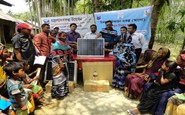
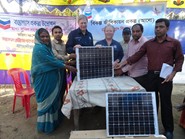
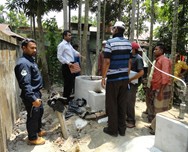
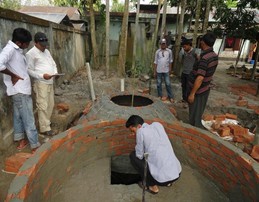
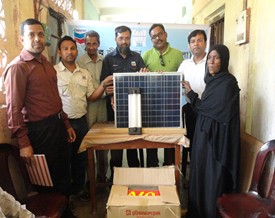
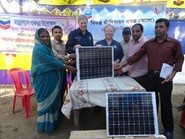
At the household and community level, the project delivered a comprehensive package of clean energy solutions. During the implementation period, 500 improved cooking stoves (ICS) were manufactured, distributed, and installed among selected poor and disadvantaged households, significantly reducing firewood consumption, indoor air pollution, and cooking time. In parallel, 130 solar home systems were installed in disadvantaged households, while 275 solar lanterns improved access to safe lighting for families with limited electricity access. Recognizing the importance of education, five local schools were equipped with solar power systems, creating safer and more conducive learning environments for students and teachers alike. To further diversify clean energy access, two (02) biogas plants, each with a capacity of 2.4 cubic meters, were installed in Kosba and Chandpur villages, providing households with a clean and sustainable cooking fuel alternative.
These interventions resulted in a measurable and meaningful impact. On average, participating households experienced a 32.5 percent reduction in monthly fuel costs, easing financial pressure and creating new opportunities for savings. These savings formed the foundation for broader livelihood development and economic empowerment efforts under the project.
CNRS complemented infrastructure support with extensive capacity development and skills training, ensuring that energy savings translated into sustainable income opportunities. Over the course of the project, 40 batches of training covering 18 thematic areas were conducted, reaching 613 participants. Training topics included homestead gardening, horticulture, fisheries management, small business development, health and nutrition, WASH, and rights and advocacy. In addition, eight specialized training batches on solar home system operation and maintenance were jointly organized by CNRS and the Rural Services Foundation (RSF), equipping 130 participants with the technical skills needed to maintain and manage solar systems locally.
To promote climate‑smart agriculture and food security, eight horticultural demonstration plots were established across the five villages, encouraging the adoption of improved farming practices. Community institutions were also strengthened through the formation of five Village Development Organizations (VDOs), which enhanced collective action, financial inclusion, and accountability. Through these mechanisms, the project successfully recovered BDT 1,269,755 in micro‑credit loans, reflecting improved household income stability and responsible financial management.
The success of the ALO project was underpinned by a strong partnership approach. Chevron served as the project initiator, principal CSR partner, and key management authority. CNRS led field‑level implementation and community engagement, while IDEA contributed as a co‑financing partner. Technical expertise, equipment supply, technology transfer, and maintenance support were provided by RSF and Grameen Shakti. Throughout the project lifecycle, CNRS worked closely with the Upazila administration, Union Parishad representatives, school management committees, and community leaders to ensure transparency, alignment, and local ownership.
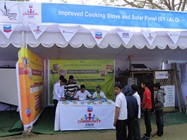
The project’s achievements were showcased during the Alternative Livelihood Fair held at Nadampur High School in January 2013, organized by Chevron’s development partners, highlighting the positive role of CSR‑driven initiatives in advancing community wellbeing.
The Alternative Livelihood Option Project stands as a strong example of how strategic CSR investments can move beyond short‑term support to create lasting impact. By linking clean energy access with skills development, financial empowerment, and community institutions, the partnership between Chevron and CNRS enabled vulnerable households not only to reduce costs but also to build resilient, diversified, and dignified livelihoods. The project continues to serve as a model for how corporate responsibility, when thoughtfully executed, can contribute meaningfully to sustainable development.